


Marc-Antoine Charpentier
Ouverture et Intermèdes nouveaux du Marriage forcé, H. 494
Released Album
Featured Album
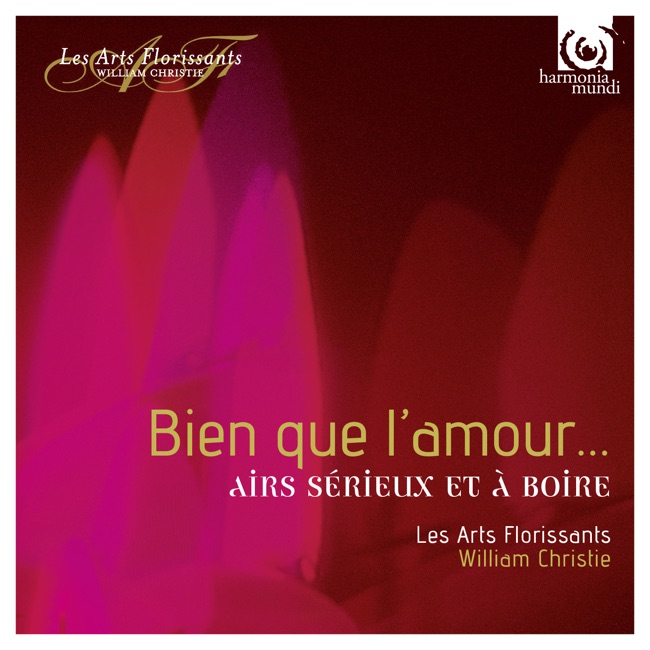
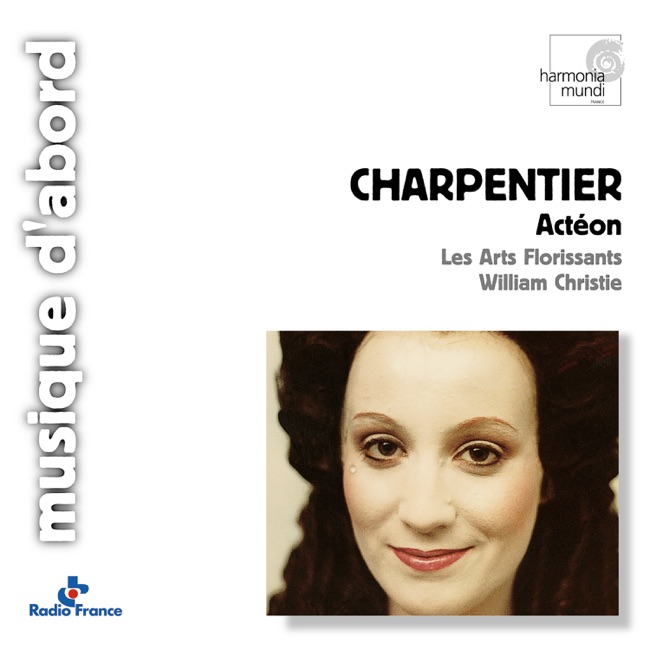
Works Info
Composer:Marc-Antoine CharpentierGenre:VocalStyle:Vocal MusicCompose Date:1672Average_duration:23:28Movement_count:13Movement ....Marc-Antoine Charpentier's 'Ouverture et Intermèdes nouveaux du Marriage forcé, H. 494' is a Baroque composition that was composed in the late 17th century. The piece was first performed in 1672 at the court of Louis XIV in Paris, France. The composition consists of three movements, each with its own unique characteristics. The first movement, the Ouverture, is a grand and majestic piece that sets the tone for the entire composition. It begins with a slow and stately introduction, followed by a lively and energetic section that features intricate counterpoint and virtuosic solo passages. The movement ends with a return to the opening theme, bringing the piece full circle. The second movement, the Premier Intermede, is a lively and playful piece that features a solo violin and a group of accompanying instruments. The violin takes center stage, performing a series of virtuosic runs and trills while the other instruments provide a lively and rhythmic accompaniment. The movement is characterized by its light and joyful mood, making it a perfect interlude between the more serious and grandiose movements. The third and final movement, the Deuxieme Intermede, is a more somber and introspective piece that features a solo flute and a group of accompanying instruments. The flute takes on a mournful and melancholic tone, performing a series of long and expressive phrases that are accompanied by the other instruments. The movement is characterized by its emotional depth and introspective mood, providing a contrast to the more lively and energetic movements that precede it. Overall, 'Ouverture et Intermèdes nouveaux du Marriage forcé, H. 494' is a masterful example of Baroque composition, showcasing Charpentier's skill in creating complex and intricate musical textures while maintaining a sense of unity and coherence throughout the piece. Its three movements each offer a unique perspective on the themes of the composition, creating a rich and varied musical experience for the listener.More....
Works Music
Featured Music
2
New Overture and Interludes from Forced Marriage, H. 494
Intermèdes nouveaux du Mariage forcé (H. 494)
7:57