Frederick Delius
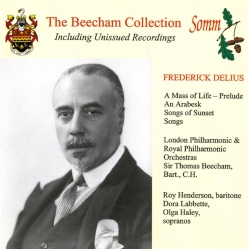
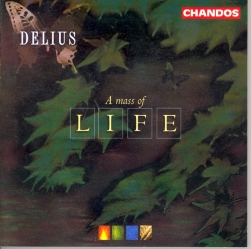
A Mass of Life, RT ii/4
Released Album
Recent Album
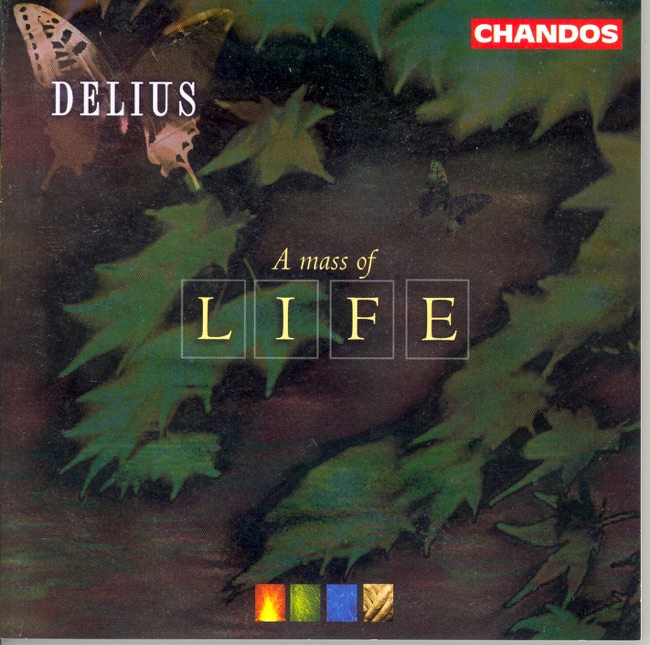
Featured Album
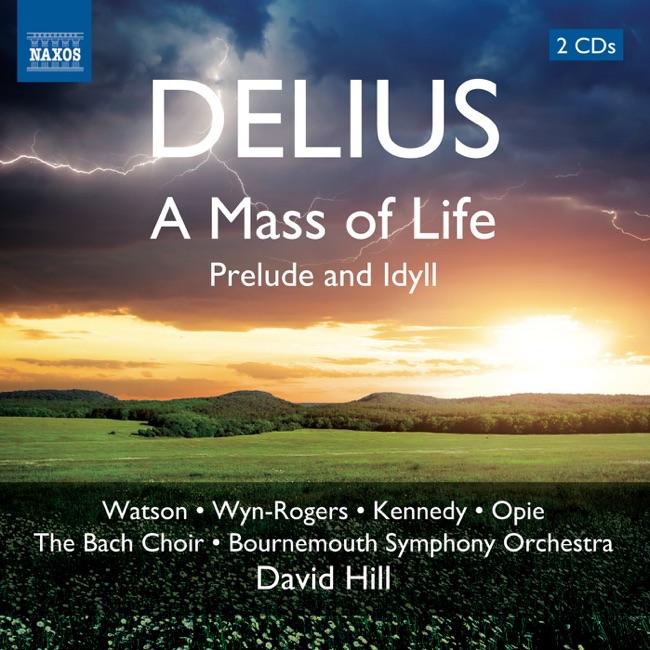
Works Info
Composer:Frederick DeliusGenre:ChoralStyle:MassCompose Date:1905Average_duration:101:01Movement_count:11Movement ....Frederick Delius composed 'A Mass of Life, RT ii/4' between 1904 and 1905. The piece premiered on October 31, 1909, in Leeds, England, conducted by the composer himself. The work is divided into two parts, with a total of six movements. The first part of the Mass is titled "Pan in the Fields," and it is a celebration of nature and the joy of life. The movement begins with a lively and energetic orchestral introduction, followed by a choral section that praises the beauty of the natural world. The music is characterized by lush harmonies, sweeping melodies, and a sense of exuberance and vitality. The second movement, "The Song of the Sea," is a tribute to the power and majesty of the ocean. The music is more subdued and contemplative than the previous movement, with a hauntingly beautiful melody that is passed between the choir and the orchestra. The movement builds to a powerful climax, with the choir and orchestra combining to create a sense of awe and wonder. The third movement, "The Lament of Isis," is a mournful and introspective piece that reflects on the transience of life. The music is characterized by a sense of longing and sadness, with the choir singing a plaintive melody that is echoed by the orchestra. The movement ends on a note of resignation, with the choir singing a final, mournful phrase. The second part of the Mass begins with "Dance of Life," a lively and rhythmic movement that celebrates the joy of living. The music is characterized by a sense of energy and vitality, with the choir and orchestra combining to create a festive atmosphere. The fifth movement, "The Mystic Trumpeter," is a mystical and otherworldly piece that explores the idea of transcendence. The music is characterized by ethereal harmonies and a sense of otherworldly beauty, with the choir singing a haunting melody that is accompanied by the orchestra. The final movement, "Hymn of Joy," is a triumphant and celebratory piece that brings the Mass to a close. The music is characterized by a sense of exultation and jubilation, with the choir and orchestra combining to create a sense of grandeur and majesty. The movement ends with a final, triumphant chord that brings the Mass to a rousing conclusion. Overall, 'A Mass of Life' is a powerful and deeply moving work that explores themes of nature, life, death, and transcendence. The music is characterized by lush harmonies, sweeping melodies, and a sense of grandeur and majesty, making it one of Delius's most celebrated works.More....
Works Music
Released Music

Featured Music