Alonso
La tricotea Samartín à 3
Released Album
Recent Album
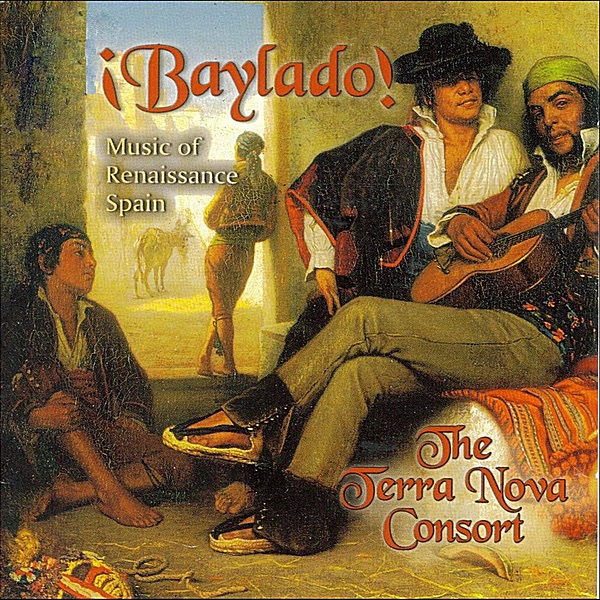
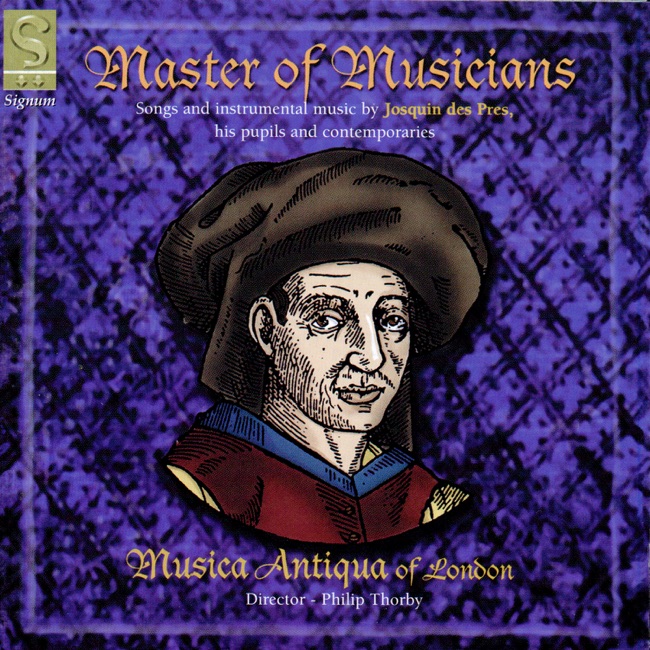
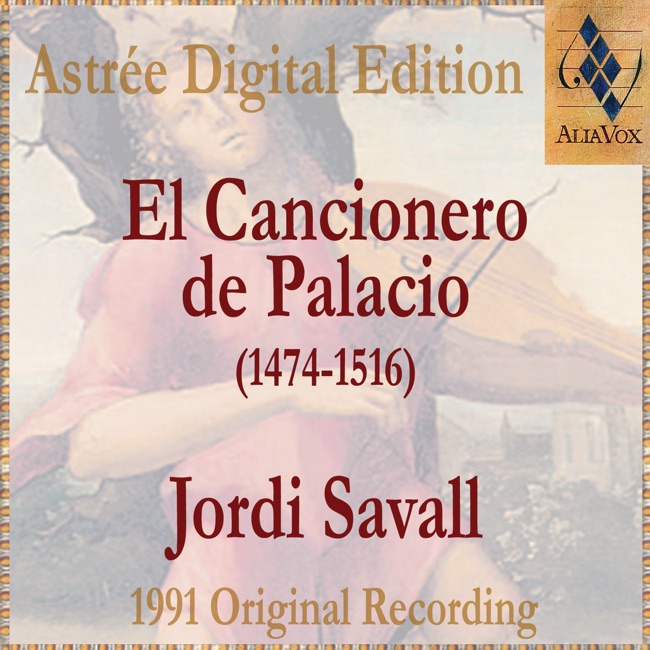
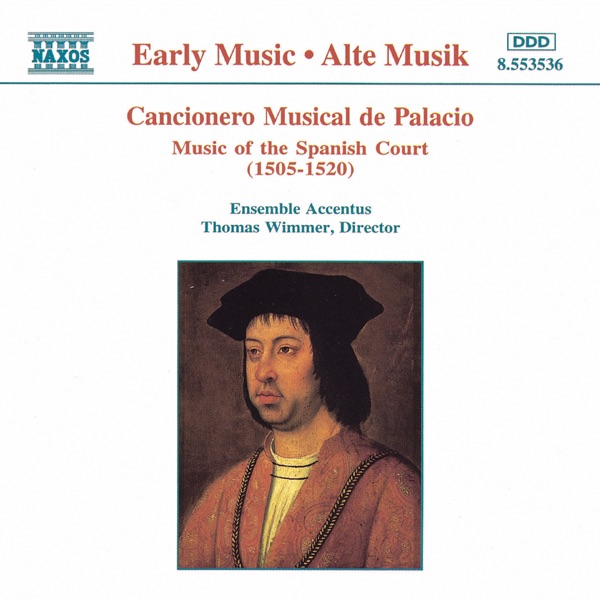
Featured Album
Works Info
Composer:AlonsoGenre:MiscellaneousStyle:MiscellaneousAverage_duration:3:18'La tricotea Samartín à 3' is a chamber music piece composed by the Spanish composer, José de Nebra y Blasco de Lanuza, also known as Alonso. The piece was composed in the Baroque era and was premiered in the mid-18th century. It is a trio sonata, which means it is a piece of music written for three instruments, typically two melody instruments and a bass instrument. The piece is divided into three movements, each with its own distinct characteristics. The first movement is marked Allegro and is in the key of D major. It is a lively and energetic movement, with the two melody instruments playing in unison and the bass instrument providing a steady rhythm. The second movement is marked Adagio and is in the key of B minor. It is a slower and more contemplative movement, with the melody instruments playing a beautiful and expressive melody over a simple bass line. The third and final movement is marked Allegro and is in the key of D major. It is a fast and lively movement, with the two melody instruments playing off each other in a playful and virtuosic manner. One of the characteristics of 'La tricotea Samartín à 3' is its use of counterpoint. Counterpoint is a technique in which two or more melodies are played simultaneously, creating a complex and harmonically rich texture. Alonso uses counterpoint throughout the piece, particularly in the first and third movements, to create a sense of excitement and energy. Another characteristic of the piece is its use of ornamentation. Ornamentation is the addition of decorative notes to a melody, and it was a common technique in Baroque music. Alonso uses ornamentation throughout the piece, particularly in the second movement, to add beauty and expressiveness to the melody. Overall, 'La tricotea Samartín à 3' is a beautiful and lively piece of chamber music that showcases Alonso's skill as a composer. Its use of counterpoint and ornamentation, as well as its three distinct movements, make it a classic example of Baroque chamber music.More....
Works Music