Antonio de Cabezón
Pour un Plaisir for organ
Released Album
Recent Album
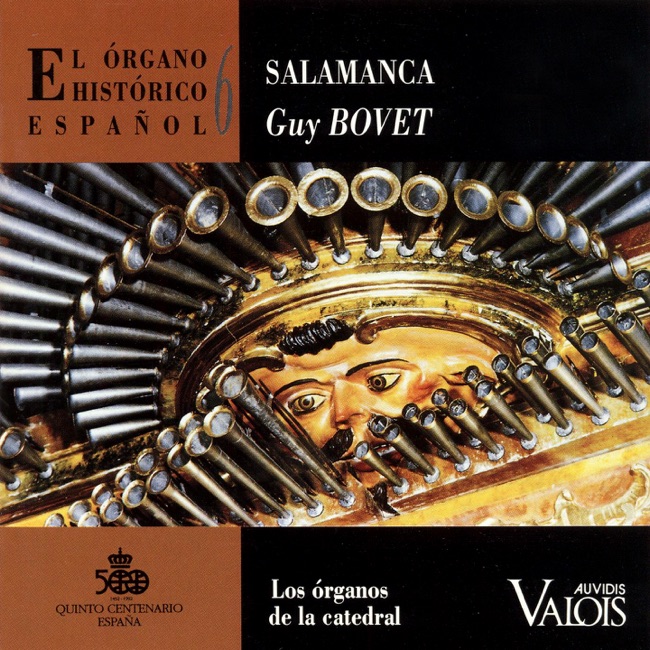
Works Info
Composer:Antonio de CabezónGenre:KeyboardStyle:KeyboardAverage_duration:2:11'Pour un Plaisir' is a composition for organ by the Spanish composer Antonio de Cabezón. It was composed in the 16th century, during the Renaissance period. The exact date of composition is unknown, but it is believed to have been written in the 1550s or 1560s. The piece consists of four movements, each with its own distinct character and mood. The first movement is a prelude, which sets the tone for the rest of the piece. It is a lively and energetic piece, with fast-moving arpeggios and intricate ornamentation. The second movement is a fugue, which is a type of contrapuntal composition in which a theme is introduced and then repeated and developed by different voices. Cabezón's fugue is a complex and intricate piece, with multiple voices weaving in and out of each other in a tightly-knit musical fabric. The third movement is a variation on a popular Spanish song of the time, called 'La Dama le Demanda'. Cabezón takes the simple melody of the song and transforms it into a virtuosic display of organ technique, with rapid-fire runs and intricate ornamentation. The final movement is a toccata, which is a type of keyboard composition that emphasizes virtuosity and speed. Cabezón's toccata is a thrilling and exhilarating piece, with fast-moving scales and arpeggios that showcase the full range and power of the organ. Overall, 'Pour un Plaisir' is a masterful example of Renaissance organ music, with its intricate counterpoint, virtuosic technique, and lively rhythms. It is a testament to Cabezón's skill as a composer and his deep understanding of the capabilities of the organ as an instrument.More....
Works Music
Released Music