Heinrich Isaac
Carmen à 5, in 5 parts
Released Album
Recent Album
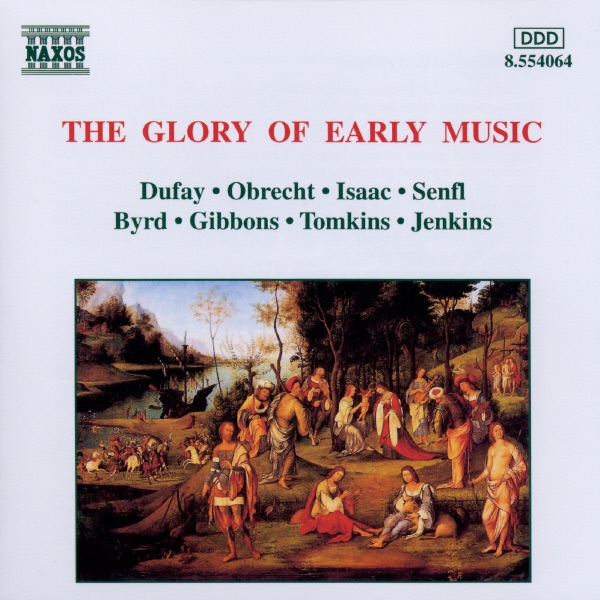
Works Info
Composer:Heinrich IsaacGenre:ChamberStyle:Chamber MusicAverage_duration:1:13Heinrich Isaac's 'Carmen à 5, in 5 parts' is a choral work that was composed in the late 15th century. The piece premiered in the early 16th century and is considered one of Isaac's most significant works. The composition is divided into five movements, each with its own unique characteristics. The first movement, titled "Carmen," is a lively and energetic piece that sets the tone for the rest of the work. It features a fast-paced melody that is carried by the sopranos and altos, while the tenors and basses provide a steady rhythmic foundation. The movement is characterized by its use of syncopation and its playful, dance-like quality. The second movement, "O decus ecclesiae," is a more subdued piece that features a slower tempo and a more contemplative mood. The melody is carried by the altos and tenors, with the sopranos and basses providing a gentle harmonic accompaniment. The movement is characterized by its use of polyphony and its rich, complex harmonies. The third movement, "O pulcherrima mulierum," is a lively and joyful piece that features a fast-paced melody and a lively, dance-like rhythm. The movement is characterized by its use of syncopation and its playful, celebratory mood. The fourth movement, "O suavitas et dulcedo," is a more introspective piece that features a slower tempo and a more contemplative mood. The melody is carried by the sopranos and altos, with the tenors and basses providing a gentle harmonic accompaniment. The movement is characterized by its use of polyphony and its rich, complex harmonies. The final movement, "O decus apostolicum," is a triumphant and celebratory piece that features a fast-paced melody and a lively, dance-like rhythm. The movement is characterized by its use of syncopation and its joyful, celebratory mood. Overall, 'Carmen à 5, in 5 parts' is a masterful choral work that showcases Heinrich Isaac's skill as a composer. The piece is characterized by its use of polyphony, complex harmonies, and lively rhythms, and it remains a beloved work in the choral repertoire to this day.More....
Works Music