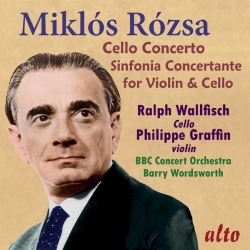
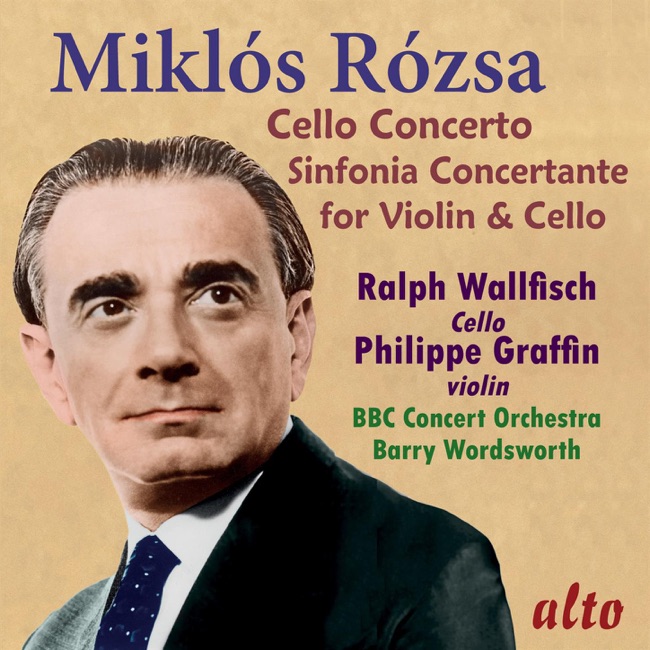
Miklós Rózsa
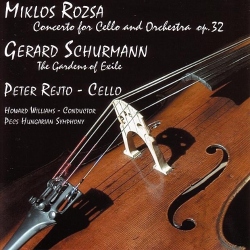
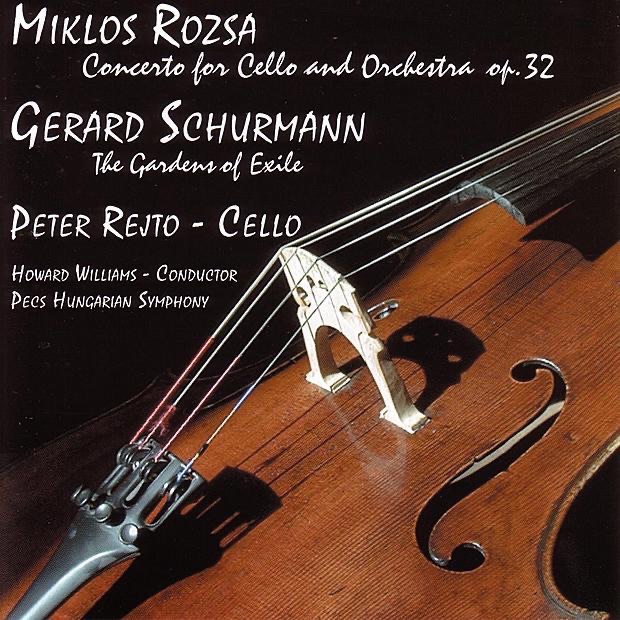
Concerto for cello & orchestra, Op. 32
Released Album
Recent Album
Works Info
Composer:Miklós RózsaGenre:ConcertoStyle:ConcertoCompose Date:1971Average_duration:30:26Movement_count:3Movement ....Miklós Rózsa's Concerto for cello & orchestra, Op. 32, was composed in 1967 and premiered on March 7, 1968, in Los Angeles, California, with the composer conducting the Los Angeles Philharmonic Orchestra and the soloist, Gregor Piatigorsky. The concerto is divided into three movements: I. Allegro moderato, II. Lento cantabile, and III. Allegro con brio. The first movement, Allegro moderato, begins with a lively and rhythmic theme introduced by the orchestra, which is then taken up by the cello. The soloist's virtuosic passages are interspersed with lyrical and expressive moments, creating a sense of contrast and tension. The movement ends with a cadenza for the cello, showcasing the soloist's technical abilities. The second movement, Lento cantabile, is a lyrical and introspective adagio. The cello sings a mournful melody, accompanied by the orchestra's lush harmonies. The movement is characterized by its emotional depth and expressive phrasing, with the soloist's playing conveying a sense of longing and melancholy. The final movement, Allegro con brio, is a lively and energetic finale. The orchestra introduces a playful and rhythmic theme, which is then taken up by the cello. The movement is marked by its virtuosic passages and technical demands, with the soloist's playing showcasing their agility and precision. The concerto ends with a triumphant coda, bringing the work to a thrilling conclusion. Overall, Rózsa's Concerto for cello & orchestra, Op. 32, is a masterful work that showcases the composer's skill in writing for both the cello and the orchestra. The concerto is characterized by its expressive melodies, virtuosic passages, and lush harmonies, creating a work that is both emotionally powerful and technically demanding.More....
Works Music
Released Music