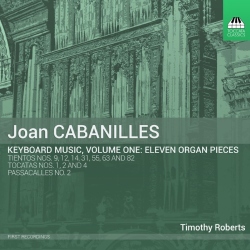
Juan Cabanilles
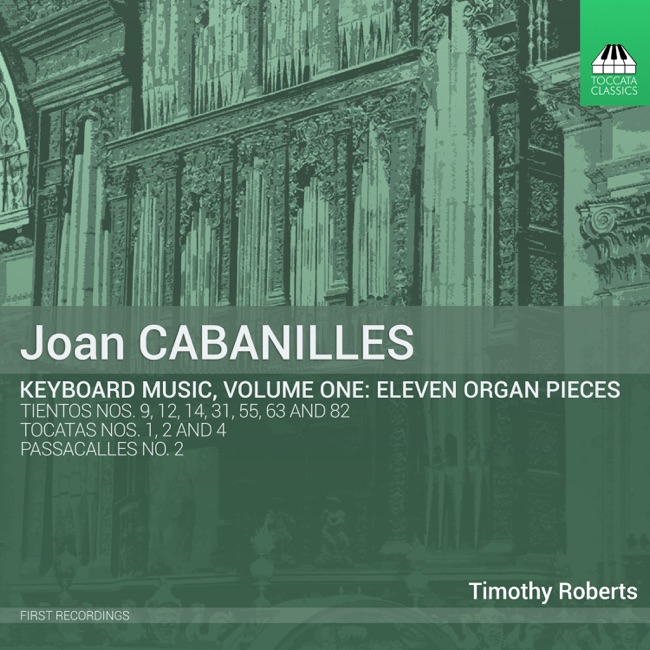
Pasacalles II, for organ
Released Album
Recent Album
Works Info
Composer:Juan CabanillesGenre:KeyboardStyle:KeyboardAverage_duration:5:18Juan Cabanilles was a Spanish composer and organist who lived from 1644 to 1712. He was one of the most important composers of the Spanish Baroque period, and his music is still performed and studied today. One of his most famous works is "Pasacalles II, for organ," which was composed in the late 17th century. The premiere of "Pasacalles II" is not known, but it was likely performed in a church or cathedral in Spain. The piece is written for solo organ and consists of a series of variations on a theme called a "pasacalle." A pasacalle is a type of Spanish dance that was popular in the 17th century. The piece is divided into several movements, each of which features a different variation on the pasacalle theme. The first movement is a simple statement of the theme, played in the lower register of the organ. The second movement features a more complex variation, with the theme played in the upper register and accompanied by fast-moving arpeggios in the left hand. The third movement is a slower, more contemplative variation, with the theme played in a minor key and accompanied by rich harmonies. The fourth movement is a lively dance, with the theme played in a syncopated rhythm and accompanied by fast-moving runs in the left hand. The final movement is a grand finale, with the theme played in a triumphant manner and accompanied by full organ chords. Throughout the piece, Cabanilles demonstrates his mastery of the organ, using a variety of techniques to create a rich and varied sound. Overall, "Pasacalles II, for organ" is a masterpiece of Spanish Baroque music, showcasing Cabanilles' skill as a composer and organist. Its lively rhythms, rich harmonies, and virtuosic organ writing make it a popular choice for organists today.More....
Works Music
Released Music