Enríquez de Valderrábano
Soneto No. 22 "Lo que queda es lo seguro"
Released Album
Recent Album
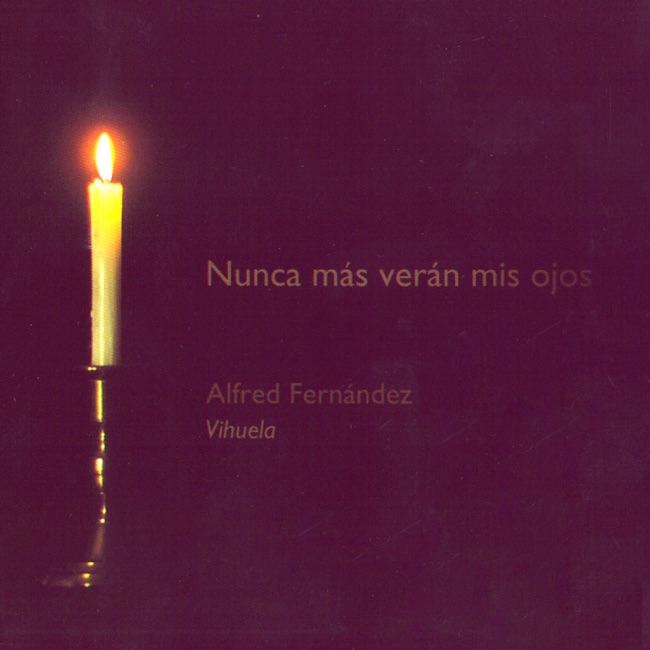
Featured Album
Works Info
Composer:Enríquez de ValderrábanoGenre:MiscellaneousStyle:MiscellaneousAverage_duration:0:54Enríquez de Valderrábano was a Spanish composer and vihuelist who lived during the Renaissance period. He is known for his contributions to the development of the vihuela, a plucked string instrument similar to the guitar. One of his most famous works is the "Soneto No. 22 Lo que queda es lo seguro," which was composed in the 16th century. The "Soneto No. 22 Lo que queda es lo seguro" is a piece of music that is based on a sonnet by the Spanish poet Francisco de Quevedo. The sonnet is a meditation on the transience of life and the inevitability of death. Valderrábano's composition is a setting of the sonnet for voice and vihuela. The piece is divided into three movements. The first movement is a prelude that sets the mood for the piece. It is a slow, mournful melody that is played on the vihuela. The second movement is the setting of the sonnet. The voice sings the words of the sonnet while the vihuela provides accompaniment. The melody is simple and understated, allowing the words of the sonnet to take center stage. The third movement is a postlude that brings the piece to a close. It is a variation on the prelude, but with a slightly more hopeful tone. The characteristics of the "Soneto No. 22 Lo que queda es lo seguro" are typical of Renaissance music. The melody is simple and understated, with a focus on the text of the sonnet. The vihuela provides accompaniment that is both supportive and expressive. The piece is also characterized by its use of counterpoint, which is a technique that involves the interweaving of multiple melodies. The "Soneto No. 22 Lo que queda es lo seguro" premiered in the 16th century, but it continues to be performed and recorded today. It is a testament to Valderrábano's skill as a composer and his contribution to the development of the vihuela. The piece is a beautiful example of Renaissance music and a moving meditation on the transience of life.More....
Works Music