John Dowland
Mr Giles Hoby his Galliard
Works Info
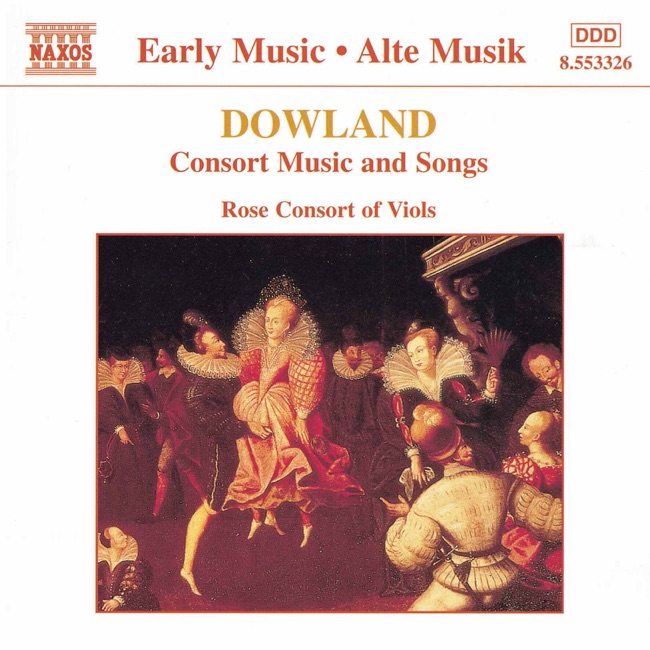
Composer:John DowlandGenre:ChamberStyle:GalliardCompose Date:1604Publication Date:1604Average_duration:1:40"Mr Giles Hoby his Galliard" is a piece of music composed by John Dowland, a renowned English Renaissance composer and lutenist. The piece was composed in the late 16th century and was first published in Dowland's collection of lute music, "The First Booke of Songes or Ayres" in 1597. The piece is a galliard, a lively dance in triple meter that was popular in the Renaissance era. It is named after Giles Hoby, a member of the English gentry who was a patron of Dowland's music. The galliard is composed of several movements, each with its own distinct characteristics. The first movement is marked by a lively and energetic rhythm, with a strong emphasis on the first beat of each measure. The second movement is more subdued, with a slower tempo and a more contemplative mood. The third movement returns to the lively rhythm of the first, with intricate melodic lines and complex harmonies. One of the most notable characteristics of "Mr Giles Hoby his Galliard" is its use of counterpoint, a technique in which multiple melodic lines are played simultaneously. Dowland was known for his skillful use of counterpoint, and this piece is a prime example of his mastery of the technique. The piece also features Dowland's signature use of chromaticism, in which notes outside of the traditional diatonic scale are used to create a sense of tension and resolution. Overall, "Mr Giles Hoby his Galliard" is a lively and complex piece of music that showcases Dowland's skill as a composer and lutenist. Its intricate melodies, complex harmonies, and use of counterpoint make it a masterpiece of Renaissance music.More....