William Byrd
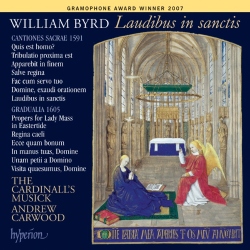
Quis et homo
Released Album
Recent Album
Works Info
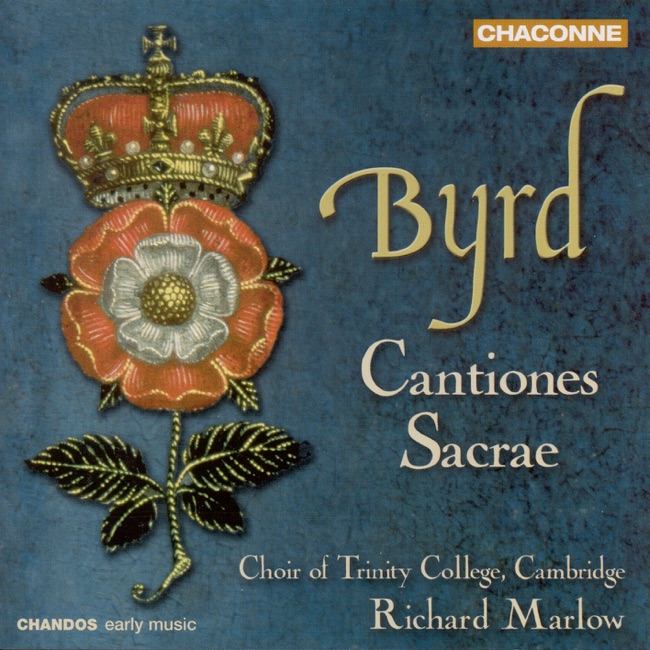
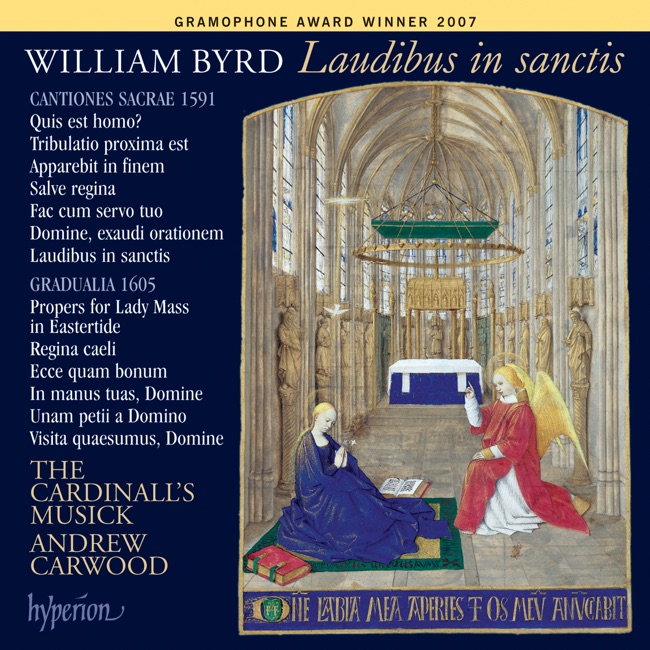
Composer:William ByrdGenre:ChoralStyle:MotetAverage_duration:6:33"Quis est homo" is a sacred motet composed by William Byrd, an English composer of the Renaissance period. The piece was composed in the late 16th century, around 1590, and was first performed in the Chapel Royal in London. It is a part of the composer's collection of Gradualia, which is a set of motets for the liturgical year. The piece is divided into three movements, each with its own distinct character. The first movement is a solemn and introspective setting of the text "Quis est homo, qui non fleret" (Who is the man who would not weep). The second movement is a lively and joyful setting of the text "Ergo nostra contio psallat" (Therefore let our assembly sing praises). The final movement is a contemplative and prayerful setting of the text "Sancta Mater, istud agas" (Holy Mother, grant this). The first movement begins with a simple and plaintive melody sung by the alto voice, which is then taken up by the other voices in turn. The harmonies are rich and expressive, with dissonances used to heighten the emotional impact of the text. The second movement is a contrast to the first, with a lively and rhythmic melody that is full of energy and joy. The final movement returns to the introspective mood of the first, with a hauntingly beautiful melody that is sung by the soprano voice. Overall, "Quis est homo" is a masterful example of Byrd's skill as a composer of sacred music. The piece is characterized by its rich harmonies, expressive melodies, and emotional depth. It is a testament to the enduring power of Renaissance music, and a reminder of the profound spiritual significance that music can have in our lives.More....
Works Music
Released Music