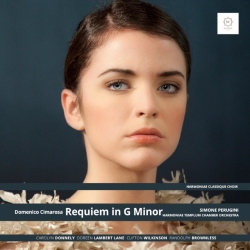
Domenico Cimarosa
Requiem in G minor
Released Album
Recent Album
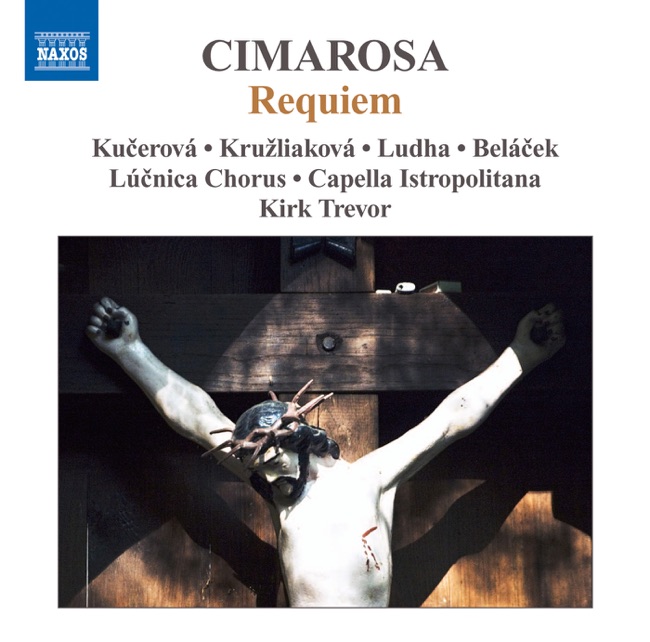
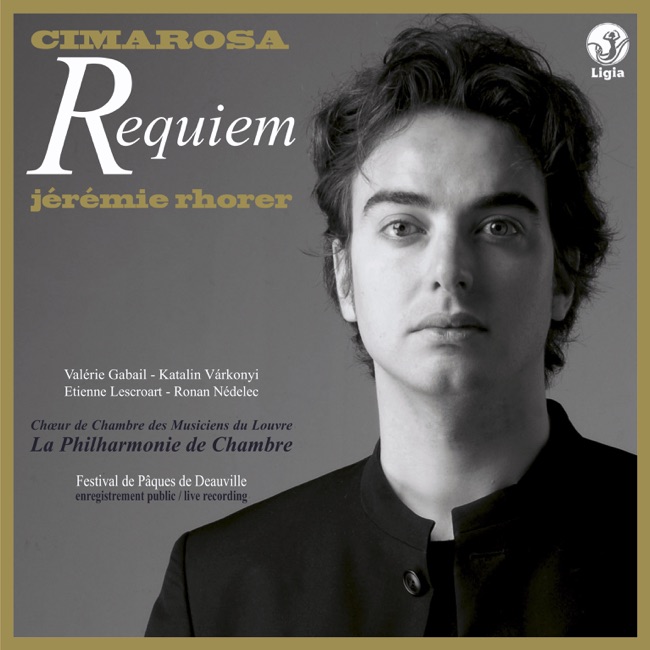
Works Info
Composer:Domenico CimarosaGenre:ChoralStyle:RequiemMovement_count:18Movement ....Domenico Cimarosa's Requiem in G minor was composed in 1787, and premiered in the same year in the church of Santa Maria degli Angeli in Naples. The Requiem is divided into eight movements, each with its own unique characteristics. The first movement, Introitus, begins with a somber and mournful melody sung by the choir. The soloists then enter, singing a prayer for the dead. The movement ends with a return to the opening melody. The second movement, Kyrie, is a plea for mercy and forgiveness. The choir sings a simple melody, while the soloists add ornamentation and embellishments. The third movement, Graduale, is a slow and solemn piece that features a soloist singing a text from the Book of Job. The choir joins in, creating a powerful and emotional climax. The fourth movement, Tractus, is a chant-like piece that features the choir singing a text from the Psalms. The soloists add ornamentation and embellishments, creating a sense of urgency and intensity. The fifth movement, Offertorium, is a prayer for the dead. The choir sings a simple melody, while the soloists add ornamentation and embellishments. The sixth movement, Sanctus, is a joyful and celebratory piece that features the choir singing a text from the Book of Isaiah. The soloists add ornamentation and embellishments, creating a sense of exuberance and excitement. The seventh movement, Agnus Dei, is a plea for mercy and forgiveness. The choir sings a simple melody, while the soloists add ornamentation and embellishments. The final movement, Communio, is a prayer for the dead. The choir sings a simple melody, while the soloists add ornamentation and embellishments. The movement ends with a return to the opening melody of the Introitus. Overall, Cimarosa's Requiem in G minor is a powerful and emotional work that showcases the composer's skill at creating both somber and joyful music. The use of soloists and choir adds depth and complexity to the piece, while the various movements create a sense of progression and development.More....
Works Music
Released Music