Francesco Geminiani
Sonata for recorder & continuo No. 1 in G major
Released Album
Recent Album

Works Info
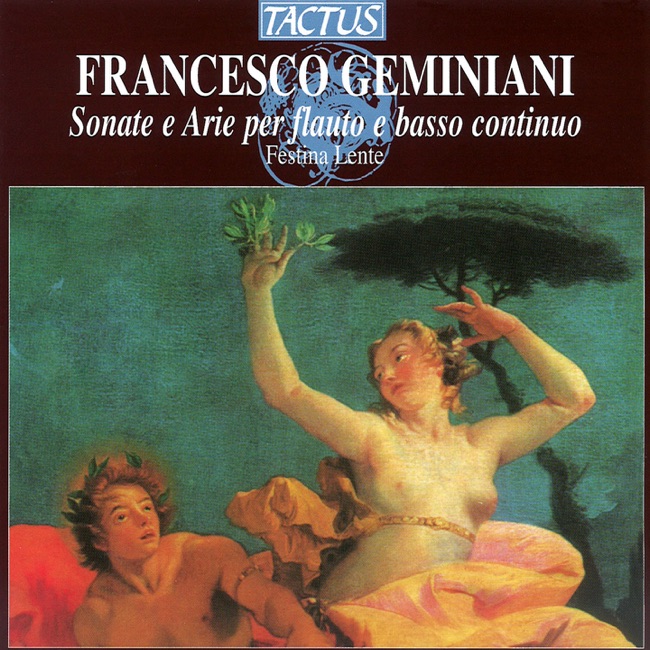
Composer:Francesco GeminianiGenre:ChamberStyle:SonataCompose Date:1725Publication Date:1725Average_duration:5:45Movement_count:4Movement ....Francesco Geminiani's Sonata for recorder & continuo No. 1 in G major is a Baroque composition that was composed in the early 18th century. The exact date of its composition is unknown, but it is believed to have been written around 1727. The sonata was first premiered in London, where Geminiani was living at the time, and it quickly became popular among musicians and audiences alike. The sonata is divided into four movements, each with its own distinct character and style. The first movement is marked Allegro and is in a binary form. It begins with a lively and cheerful melody played by the recorder, which is then echoed by the continuo. The second half of the movement features a more complex and intricate interplay between the two instruments, with the recorder taking on a more virtuosic role. The second movement is marked Adagio and is in a ternary form. It is a slow and expressive piece that showcases the recorder's ability to produce a wide range of tones and colors. The continuo provides a simple and understated accompaniment, allowing the recorder to take center stage. The third movement is marked Allegro and is in a binary form. It is a lively and energetic piece that features a playful and syncopated melody played by the recorder. The continuo provides a steady and driving rhythm, creating a sense of momentum and forward motion. The final movement is marked Allegro and is in a binary form. It is a fast and lively piece that features a virtuosic and intricate melody played by the recorder. The continuo provides a complex and varied accompaniment, creating a sense of tension and excitement. Overall, Geminiani's Sonata for recorder & continuo No. 1 in G major is a charming and delightful work that showcases the recorder's versatility and expressive capabilities. Its four movements are each distinct and memorable, and the interplay between the recorder and continuo is masterfully crafted. It remains a popular and beloved work in the Baroque repertoire to this day.More....
Works Music