Joaquín Rodrigo
Cançons (7) valencianes
Released Album
Recent Album
Featured Album
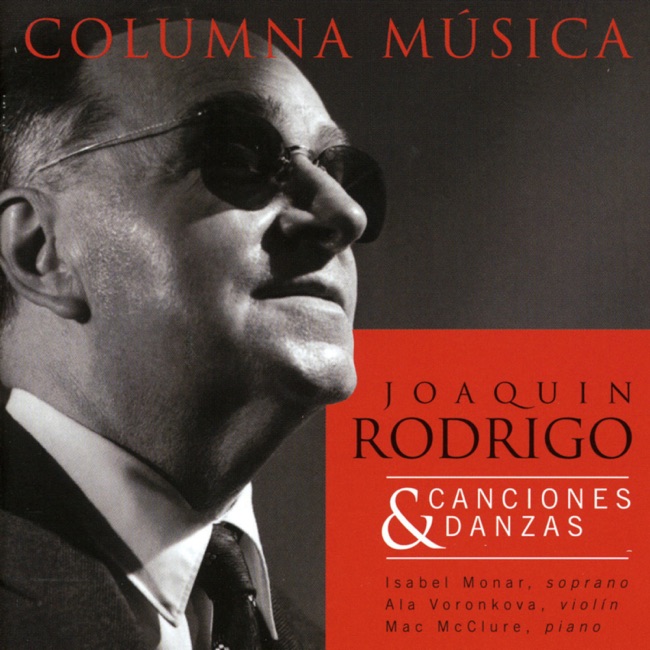
Works Info
Composer:Joaquín RodrigoGenre:ChamberStyle:Chamber MusicCompose Date:1982First Performance:1983Average_duration:16:55Movement_count:7Movement ....Joaquín Rodrigo's 'Cançons (7) valencianes' is a song cycle composed in 1947 for voice and piano. The premiere of the work took place in Valencia, Spain, on May 17, 1948, with the composer himself at the piano and the tenor Antonio Cortis as the soloist. The cycle consists of seven songs, each based on a traditional Valencian folk melody. The first song, 'La fira', is a lively and rhythmic piece that captures the festive atmosphere of a fair. The second song, 'El testament d'Amèlia', is a melancholic ballad about lost love. The third song, 'Cançó de bressol', is a lullaby that showcases Rodrigo's gift for melody and harmony. The fourth song, 'La pastoreta', is a playful and charming piece about a shepherdess. The fifth song, 'La filadora', is a lively and rhythmic piece about a woman spinning wool. The sixth song, 'El rossinyol', is a hauntingly beautiful piece about a nightingale. The final song, 'El més petit de tots', is a humorous and playful piece about a tiny creature. Rodrigo's 'Cançons (7) valencianes' is characterized by its use of traditional Valencian folk melodies, which the composer skillfully weaves into his own musical language. The songs are simple and direct, yet full of charm and character. The piano accompaniment is often virtuosic, with intricate figurations and colorful harmonies. The vocal writing is lyrical and expressive, with a wide range of emotions and moods. Overall, 'Cançons (7) valencianes' is a delightful and charming song cycle that showcases Rodrigo's mastery of melody, harmony, and rhythm. It is a testament to the composer's love for his native Valencia and its rich musical heritage.More....
Works Music
Released Music
Featured Music