Charles Wood
When winds That Move Not
Released Album
Recent Album
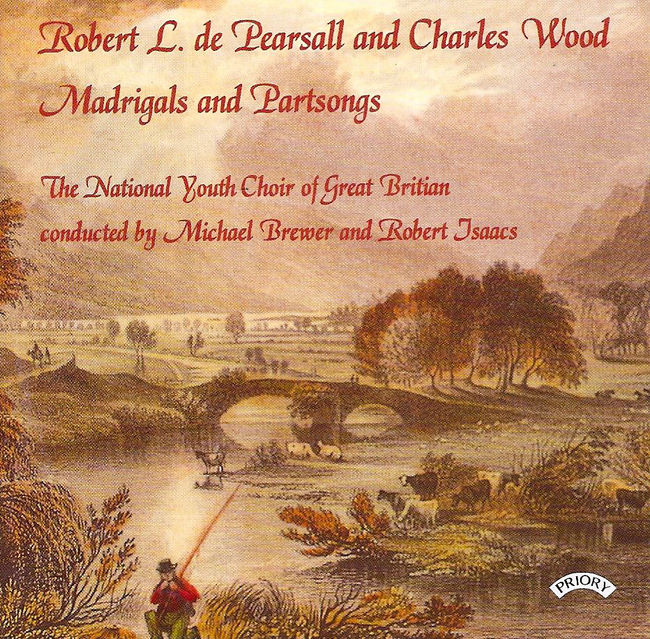
Works Info
Composer:Charles WoodGenre:VocalStyle:Vocal MusicAverage_duration:6:38"When Winds That Move Not" is a choral composition by Charles Wood, a British composer and organist. The piece was composed in 1912 and premiered in the same year. It is a four-movement work that is characterized by its use of rich harmonies and expressive melodies. The first movement, "When Winds That Move Not," is a setting of a poem by Christina Rossetti. The music is slow and contemplative, with the choir singing in unison for much of the piece. The harmonies are simple but effective, creating a sense of stillness and calm. The second movement, "The Moon Is Up," is a setting of a poem by John Keats. The music is more lively than the first movement, with the choir singing in harmony and the piano providing a rhythmic accompaniment. The melody is expressive and romantic, reflecting the poem's themes of love and nature. The third movement, "Ode to a Nightingale," is a setting of a poem by John Keats. The music is slow and mournful, with the choir singing in harmony and the piano providing a somber accompaniment. The melody is haunting and beautiful, reflecting the poem's themes of mortality and the fleeting nature of life. The final movement, "The Nightingale," is a setting of a poem by Alfred Lord Tennyson. The music is lively and joyful, with the choir singing in harmony and the piano providing a lively accompaniment. The melody is upbeat and celebratory, reflecting the poem's themes of nature and the beauty of life. Overall, "When Winds That Move Not" is a beautiful and expressive choral work that showcases Charles Wood's skill as a composer. The piece is characterized by its use of rich harmonies, expressive melodies, and evocative poetry, making it a beloved work in the choral repertoire.More....
Works Music
Released Music