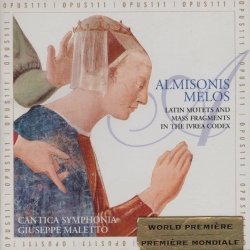
Ivrea Codex Anonymous
Post missarum sollempnia / Post misse modulamina
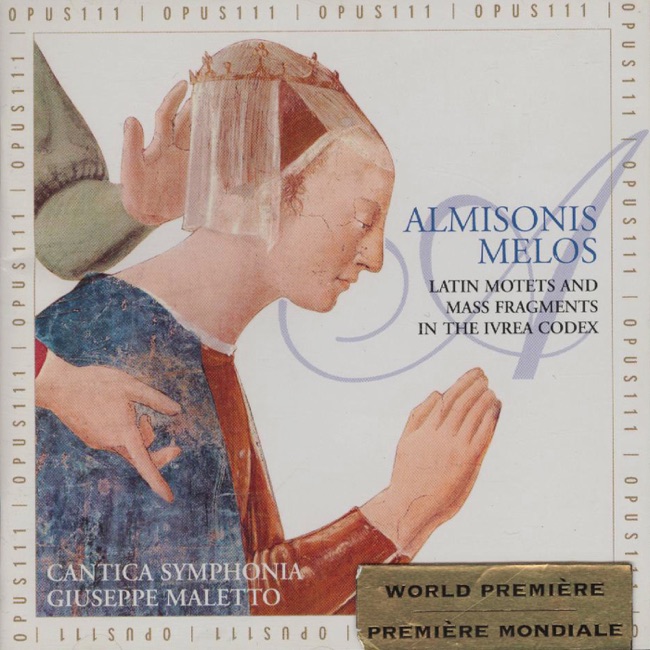
Works Info
Composer:Ivrea Codex AnonymousAverage_duration:2:56Post missarum sollempnia, also known as Post misse modulamina, is a medieval chant composed by an anonymous composer from the Ivrea Codex. The Ivrea Codex is a manuscript that contains a collection of liturgical music from the 14th century. The exact date of composition of Post missarum sollempnia is unknown, but it is believed to have been composed in the 14th century. The piece is divided into three movements, each with its own distinct characteristics. The first movement is a Kyrie, which is a prayer for mercy. The second movement is a Gloria, which is a hymn of praise. The third movement is a Credo, which is a statement of belief. The Kyrie is characterized by its slow and solemn melody. The text is sung in a call-and-response style, with the choir singing the first phrase and the soloist responding with the second phrase. The melody is simple and repetitive, with a focus on the text and the meaning of the prayer. The Gloria is a more lively and upbeat movement, with a faster tempo and a more complex melody. The choir sings in harmony, with the melody moving between the different voices. The text is a hymn of praise to God, and the music reflects the joy and exaltation of the text. The Credo is the longest movement of the piece, and it is characterized by its complex and intricate melody. The choir sings in harmony, with the melody moving between the different voices. The text is a statement of belief, and the music reflects the solemnity and gravity of the text. Overall, Post missarum sollempnia is a beautiful and complex piece of medieval chant. It reflects the religious beliefs and practices of the time, and it is a testament to the skill and creativity of the anonymous composer who created it.More....
Works Music