Louis Couperin
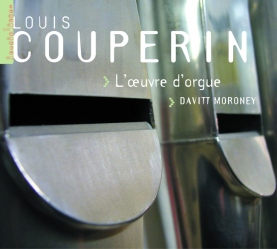
Pange lingua (L'oeuvre d'orgue, No. 36)
Released Album
Recent Album
Works Info
Composer:Louis CouperinGenre:KeyboardStyle:KeyboardCompose Date:1656Average_duration:1:51Louis Couperin was a French Baroque composer and organist who lived from 1626 to 1661. He was a member of a famous musical family that included his cousin, the more well-known composer François Couperin. Louis Couperin's works for the organ are considered some of the most important of the French Baroque era, and his "Pange lingua" is one of his most famous pieces. "Pange lingua" is part of a collection of organ works known as "L'oeuvre d'orgue," which Couperin composed in the mid-17th century. The collection consists of 165 pieces, including preludes, fugues, toccatas, and other forms of keyboard music. "Pange lingua" is the 36th piece in the collection and is a hymn-based work. The piece is based on the hymn "Pange lingua gloriosi corporis mysterium," which is traditionally sung during the Catholic liturgy on Holy Thursday. The hymn is a celebration of the Eucharist and the mystery of the transubstantiation of bread and wine into the body and blood of Christ. Couperin's "Pange lingua" is a set of variations on the hymn tune, with each variation exploring different aspects of the melody and harmony. The piece is divided into four movements, each with its own distinct character. The first movement is a prelude that sets the stage for the variations to come. It is a slow, stately piece that introduces the hymn tune in a simple, unadorned form. The second movement is a fugue that explores the contrapuntal possibilities of the hymn tune. Couperin uses the tune as the basis for a complex, multi-voice fugue that showcases his skill as a composer and his mastery of the organ. The third movement is a toccata that features virtuosic keyboard writing and rapid passagework. It is a lively, energetic piece that contrasts with the more contemplative character of the previous movements. The final movement is a grand choral that brings the piece to a triumphant conclusion. It is a majestic, celebratory piece that features the full power of the organ and the hymn tune in all its glory. Overall, "Pange lingua" is a masterpiece of French Baroque organ music. It showcases Couperin's skill as a composer and his ability to explore the possibilities of the organ as an instrument. The piece is a testament to the power of music to express the deepest mysteries of faith and to inspire awe and wonder in those who hear it.More....
Works Music
Released Music