


Johann Rosenmüller
Laudate Pueri Dominum
Released Album
Recent Album

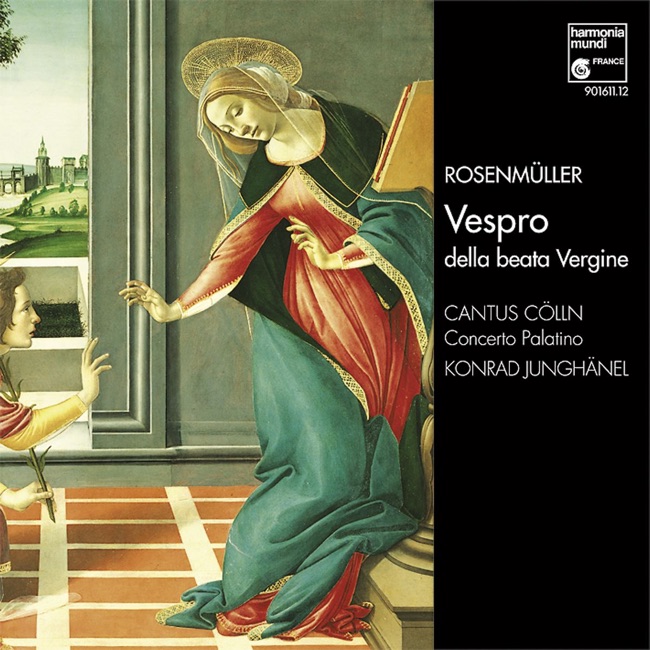
Works Info
Composer:Johann RosenmüllerGenre:ChoralStyle:ChoralAverage_duration:16:36Johann Rosenmüller was a German Baroque composer who lived from 1619 to 1684. He was known for his sacred music, and one of his most famous works is the Laudate Pueri Dominum. This piece was composed in the mid-17th century and premiered in Leipzig, Germany. The Laudate Pueri Dominum is a sacred choral work that is divided into six movements. The first movement is a joyful and celebratory opening, with the choir singing "Laudate pueri Dominum" (Praise the Lord, O ye servants). The second movement is a duet for two sopranos, which is more subdued and introspective. The third movement is a lively and energetic fugue, with the choir singing "Sit nomen Domini benedictum" (Blessed be the name of the Lord). The fourth movement is a solo for alto, which is more contemplative and mournful. The fifth movement is a duet for two tenors, which is more joyful and celebratory. The final movement is a grand and majestic fugue, with the choir singing "Gloria Patri et Filio et Spiritui Sancto" (Glory be to the Father, and to the Son, and to the Holy Spirit). The Laudate Pueri Dominum is characterized by its use of counterpoint, which is a technique where two or more melodies are played or sung simultaneously. This creates a rich and complex texture that is typical of Baroque music. The piece also features a variety of vocal textures, from solo to duet to full choir, which adds to its dynamic range. The text of the piece is taken from Psalm 113, which is a hymn of praise to God. Overall, the Laudate Pueri Dominum is a beautiful and uplifting piece of sacred music that showcases Rosenmüller's skill as a composer. Its joyful and celebratory tone makes it a popular choice for church services and concerts, and it remains a beloved work of the Baroque era.More....
Works Music
Released Music
1
Laudate Pueri Dominum
Laudate pueri Dominum, for soprano, countertenor, bass, 7 instruments & b.c.
12:50
