Luigi Rossi
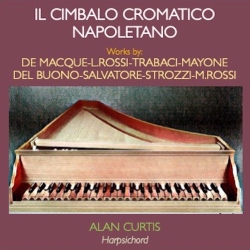
Passacaglia
Released Album
Recent Album
Featured Album
Works Info
Composer:Luigi RossiGenre:OrchestralStyle:GroundAverage_duration:2:25Luigi Rossi's Passacaglia is a Baroque instrumental piece that was composed in the 17th century. The exact date of its composition is unknown, but it is believed to have been written in the early 1660s. The piece was first performed in Rome, Italy, and quickly gained popularity throughout Europe. The Passacaglia is a single-movement work that is characterized by its use of a repeating bass line, known as a passacaglia. This bass line is played continuously throughout the piece, while the upper voices provide variations and embellishments. The Passacaglia is typically performed by a small ensemble, such as a trio or quartet, and features a variety of instruments, including violins, violas, cellos, and harpsichords. The Passacaglia is divided into several sections, each of which features a different variation of the passacaglia bass line. The piece begins with a simple statement of the bass line, which is then followed by a series of variations that gradually become more complex and ornate. The middle section of the piece features a slower, more contemplative melody, which is then followed by a return to the faster, more energetic variations of the opening section. One of the most notable characteristics of the Passacaglia is its use of counterpoint. The upper voices of the piece are constantly weaving in and out of each other, creating a complex and intricate web of sound. This use of counterpoint is a hallmark of Baroque music, and is particularly evident in the works of composers such as Bach and Handel. Overall, Luigi Rossi's Passacaglia is a masterful example of Baroque instrumental music. Its use of a repeating bass line, intricate counterpoint, and virtuosic instrumental writing make it a challenging and rewarding piece for performers and listeners alike.More....
Works Music
Released Music
Featured Music