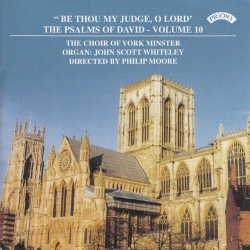
Edward Hopkins
Psalm 26 "Be thou my judge, O Lord"
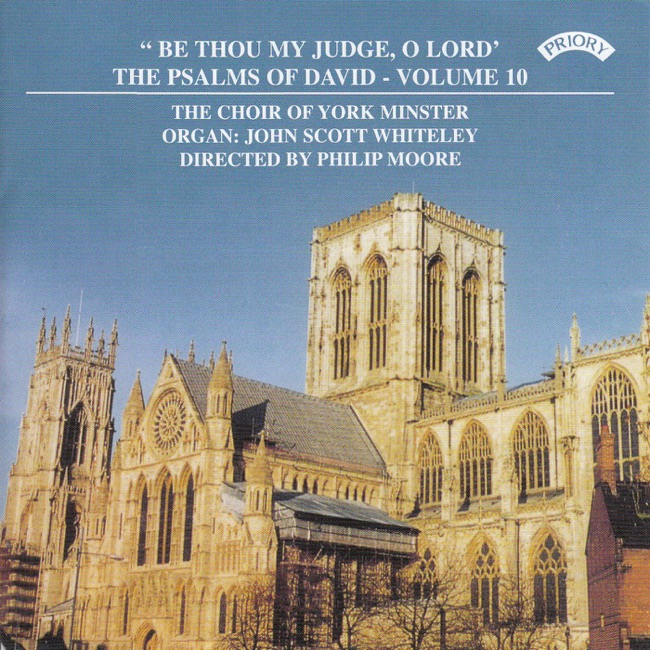
Works Info
Composer:Edward HopkinsGenre:ChoralStyle:PsalmAverage_duration:3:24Edward Hopkins was an English composer who lived during the 17th century. He is known for his contributions to the genre of sacred music, particularly his choral works. One of his most famous compositions is "Psalm 26 Be thou my judge, O Lord," which was written in the early 1660s. The premiere of "Psalm 26 Be thou my judge, O Lord" is not well-documented, but it is likely that it was first performed in a church setting. The piece is a choral work that is intended to be sung by a choir, accompanied by an organ or other instruments. The composition is divided into several movements, each of which corresponds to a different section of the psalm. The first movement is a choral setting of the opening verses of the psalm, which express the psalmist's trust in God's judgment. The second movement is a solo or duet that reflects on the psalmist's own righteousness and asks God to test and prove it. The third movement is a choral setting of the psalmist's declaration of faith in God's mercy and grace. The final movement is a choral setting of the psalmist's plea for God's protection and deliverance. One of the characteristics of "Psalm 26 Be thou my judge, O Lord" is its use of polyphony, or multiple independent voices singing different melodies at the same time. This creates a rich, complex texture that is typical of sacred choral music from the Baroque era. The piece also features a variety of vocal techniques, including melismatic singing (where a single syllable is stretched out over several notes) and homophonic singing (where all voices sing the same melody at the same time). Overall, "Psalm 26 Be thou my judge, O Lord" is a beautiful and powerful piece of sacred music that reflects the psalmist's trust in God's judgment and mercy. Its intricate harmonies and vocal techniques make it a challenging but rewarding work for choirs to perform.More....
Works Music
Released Music