Wilhelm Friedemann Bach
Fugue for organ in F major, F. 33 (BR A90)
Released Album
Recent Album

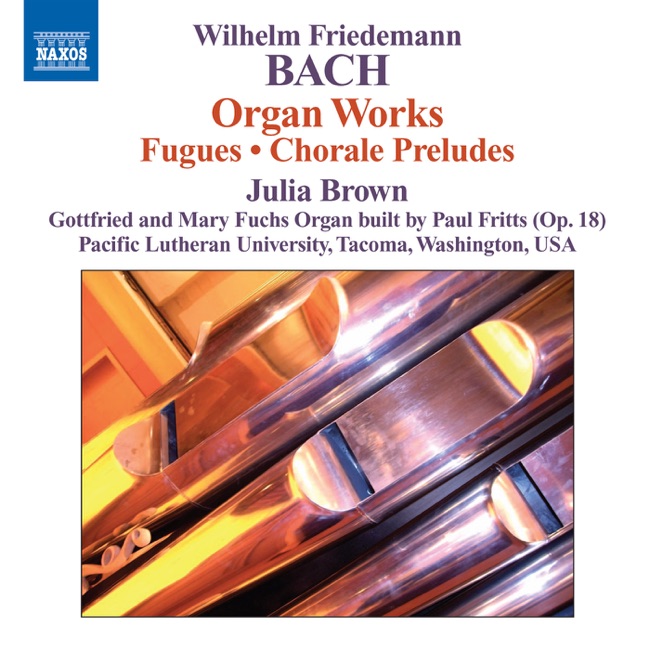
Works Info
Composer:Wilhelm Friedemann BachGenre:KeyboardStyle:FugueCompose Date:ca. 1740Publication Date:1968Average_duration:5:01Wilhelm Friedemann Bach, the eldest son of Johann Sebastian Bach, composed the 'Fugue for organ in F major, F. 33 (BR A90)' in the mid-18th century. The exact date of composition is unknown, but it is believed to have been written during his time as the organist at the Liebfrauenkirche in Halle, Germany. The 'Fugue for organ in F major' is a single-movement work that follows the traditional structure of a fugue. It begins with a short exposition in which the main theme is introduced in the tonic key of F major. The theme is then imitated by the other voices in turn, creating a polyphonic texture. The fugue then proceeds through a series of episodes, in which the theme is developed and transformed in various ways. The piece concludes with a final statement of the theme in the tonic key. The 'Fugue for organ in F major' is characterized by its contrapuntal complexity and virtuosic organ writing. The piece requires a high level of technical skill from the performer, with rapid passagework and intricate pedal lines. The use of chromaticism and dissonance adds to the piece's harmonic richness and complexity. The 'Fugue for organ in F major' was first published in 1912 as part of the Bach-Gesellschaft Ausgabe, a complete edition of the works of Johann Sebastian Bach and his family. Since then, it has become a popular piece in the organ repertoire, admired for its technical challenges and musical depth.More....
Works Music
Released Music
2

5:30