Volkmar Andreae
Sonata for violin & piano in D major, Op. 4
Released Album
Recent Album
Works Info
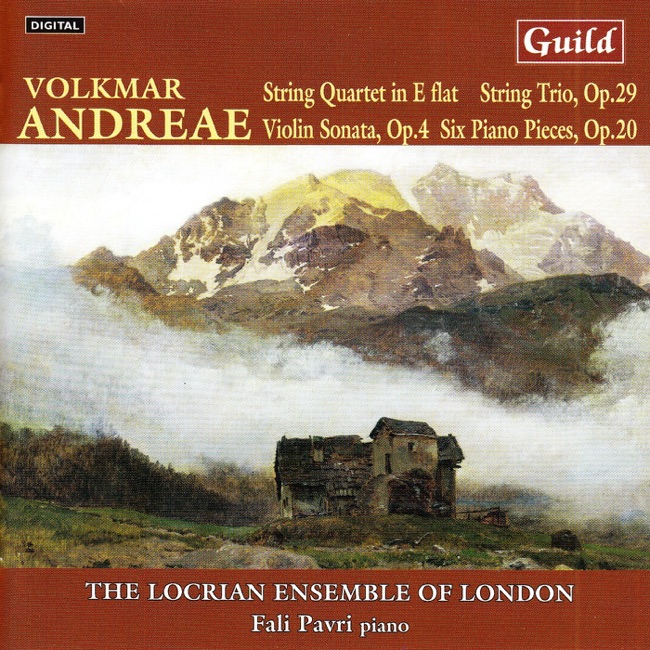
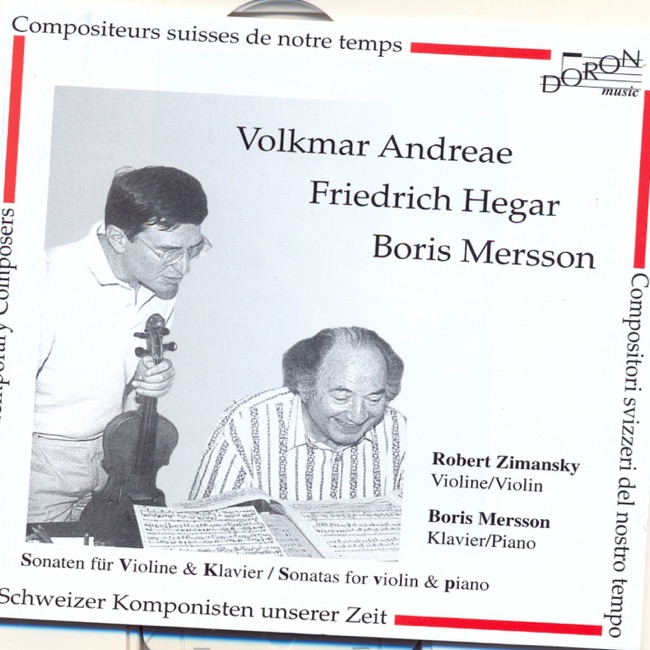
Composer:Volkmar AndreaeGenre:ChamberStyle:SonataAverage_duration:32:28Movement_count:3Movement ....The Sonata for violin and piano in D major, Op. 4, was composed by Swiss composer Volkmar Andreae in 1901. The piece premiered in Zurich, Switzerland, on March 17, 1901, with Andreae himself on the piano and the renowned violinist Joseph Joachim as the soloist. The sonata is divided into three movements. The first movement, marked Allegro moderato, begins with a lively and energetic theme introduced by the violin. The piano then takes over with a more subdued melody, which is later developed and combined with the violin's theme. The movement ends with a return to the original theme, played by both instruments in unison. The second movement, marked Andante, is a lyrical and expressive piece that showcases the violin's ability to sing. The piano provides a delicate accompaniment, creating a dreamy and romantic atmosphere. The movement ends with a gentle fade-out, leaving the listener with a sense of peacefulness. The final movement, marked Allegro vivace, is a lively and playful piece that features intricate interplay between the violin and piano. The movement is characterized by its rhythmic drive and virtuosic passages, which showcase the technical abilities of both instruments. The piece ends with a triumphant flourish, bringing the sonata to a satisfying conclusion. Overall, the Sonata for violin and piano in D major, Op. 4, is a charming and well-crafted work that demonstrates Andreae's skill as a composer. The piece is notable for its melodic inventiveness, expressive lyricism, and technical demands on the performers. It remains a popular choice for violinists and pianists alike, and is a testament to Andreae's contribution to the repertoire for these two instruments.More....
Works Music
Released Music