Ignaz Moscheles
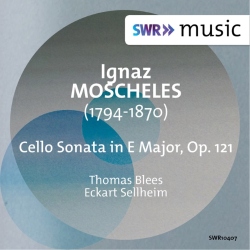
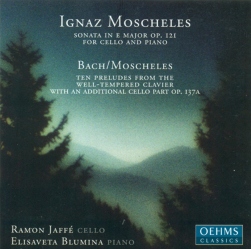
Cello Sonata No. 2 in E major, Op. 121
Released Album
Recent Album
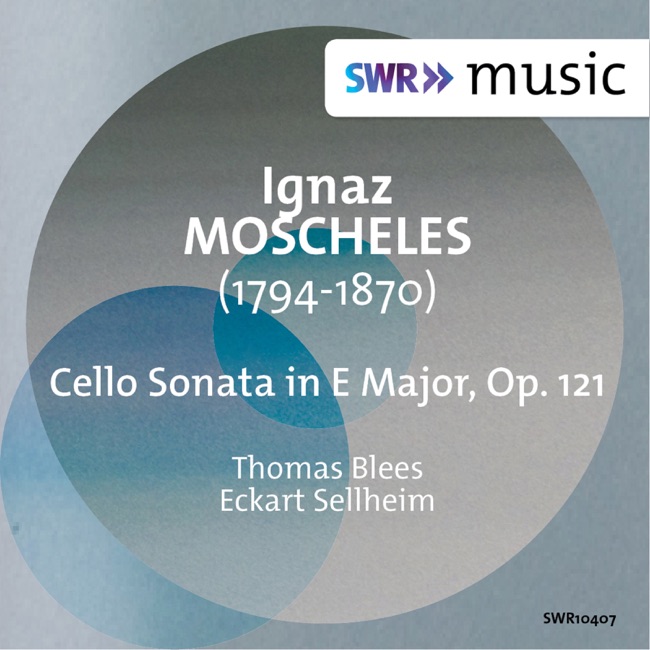
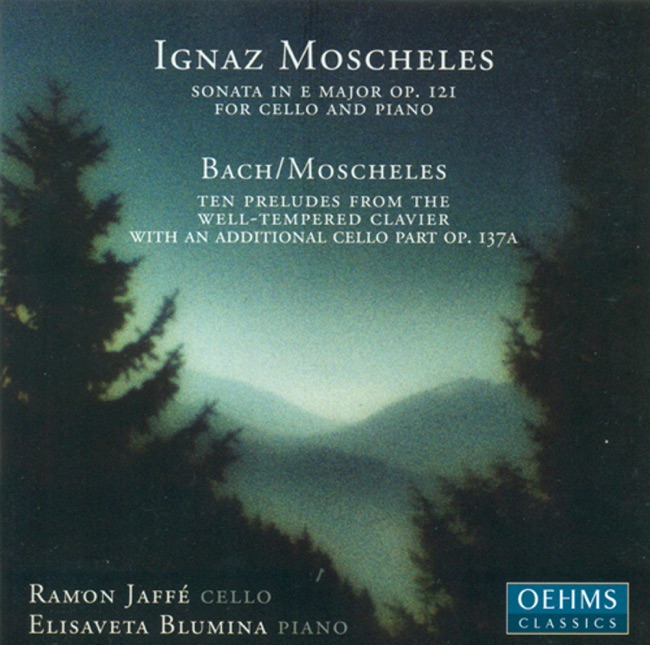
Featured Album
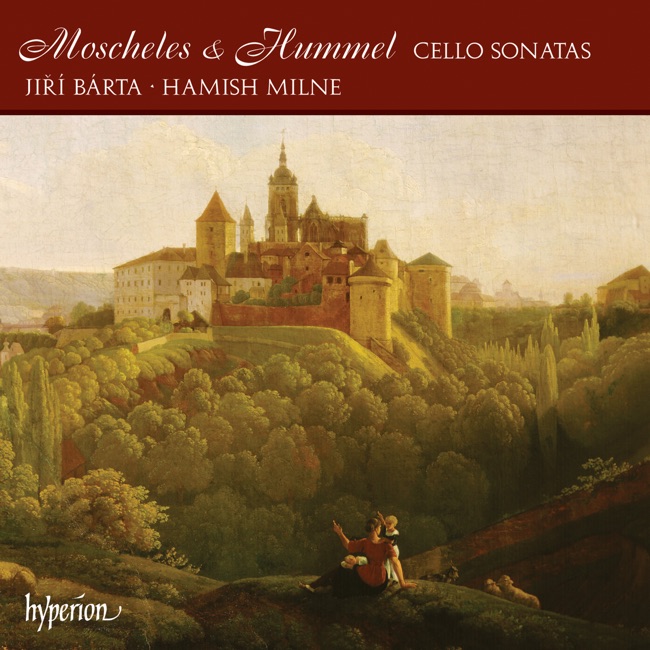
Works Info
Composer:Ignaz MoschelesGenre:ChamberStyle:Chamber MusicCompose Date:1850 - 1851Average_duration:31:15Movement_count:4Movement ....Ignaz Moscheles was a Czech composer and pianist who lived from 1794 to 1870. He was a prolific composer, with over 200 works to his name, including symphonies, concertos, chamber music, and solo piano pieces. One of his most famous works is the Cello Sonata No. 2 in E major, Op. 121. The sonata was composed in 1847, and premiered in Leipzig the same year. It is a three-movement work, with a total running time of around 25 minutes. The first movement is marked Allegro moderato, and begins with a lyrical cello melody over a simple piano accompaniment. The piano then takes up the melody, and the two instruments engage in a lively dialogue. The second theme is more rhythmic and dance-like, with the cello playing pizzicato and the piano providing a syncopated accompaniment. The development section explores both themes in various keys and textures, before returning to the opening material for the recapitulation. The movement ends with a coda that brings back the rhythmic energy of the second theme. The second movement is marked Adagio cantabile, and is a lyrical and expressive aria for the cello. The piano provides a delicate accompaniment, with arpeggios and gentle chords. The cello sings a beautiful melody, with long, sustained notes and expressive phrasing. The middle section of the movement is more agitated, with the cello playing rapid arpeggios and the piano providing a more dramatic accompaniment. The opening material returns for the final section, with the cello melody soaring over the piano's gentle chords. The final movement is marked Allegro vivace, and is a lively and energetic rondo. The cello and piano engage in a playful dialogue, with the cello playing rapid scales and the piano providing a bouncy accompaniment. The main theme is catchy and memorable, and is developed in various ways throughout the movement. There are several contrasting episodes, including a lyrical section in the relative minor key and a more dramatic section with syncopated rhythms. The movement ends with a virtuosic coda, with the cello and piano racing up and down the scales in a thrilling conclusion. Overall, the Cello Sonata No. 2 in E major, Op. 121 is a charming and delightful work, full of lyrical melodies, playful rhythms, and virtuosic passages for both cello and piano. It showcases Moscheles' skill as a composer and his understanding of the cello as a solo instrument.More....
Works Music
Released Music
Featured Music