Franz Liszt
Héroïde funèbre (I & II), S. 102
Released Album
Recent Album
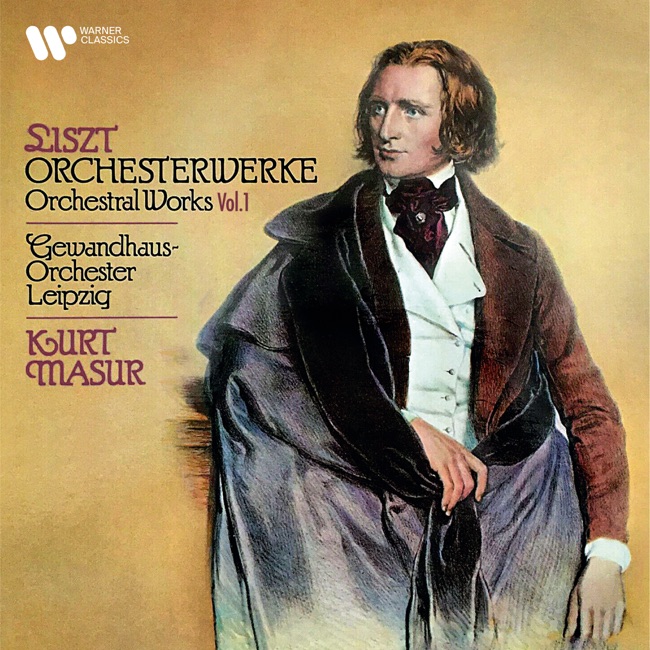
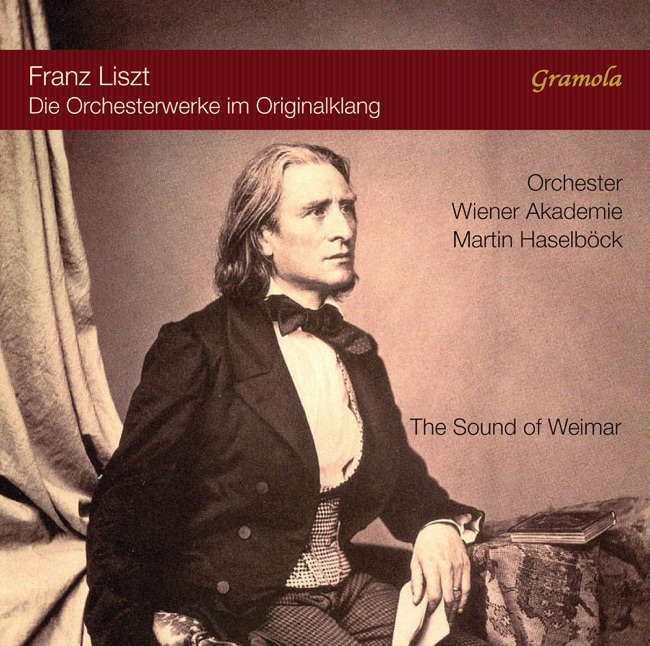



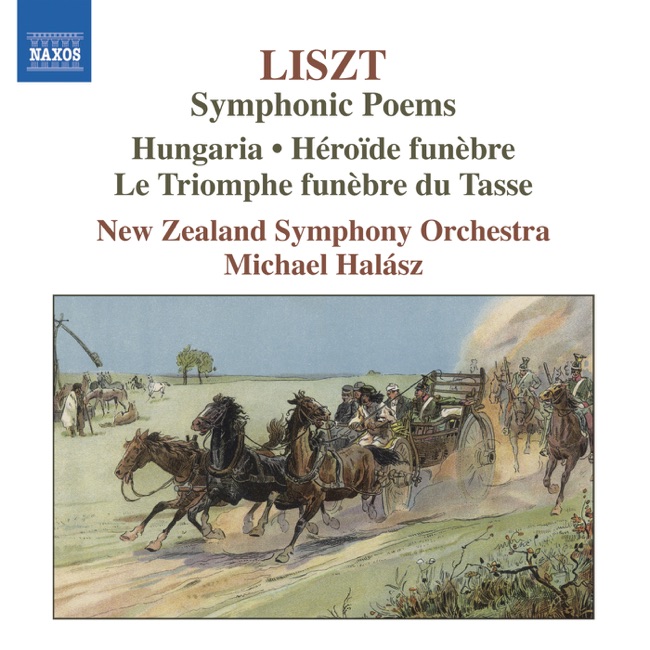



Works Info
Composer:Franz LisztGenre:OrchestralStyle:OrchestralCompose Date:1850Publication Date:1857First Performance:Nov 10, 1857Average_duration:22:31Franz Liszt's 'Héroïde funèbre (I & II), S. 102' is a two-part symphonic poem that was composed in 1854. The piece was premiered in Weimar, Germany on February 18, 1855, under the direction of Liszt himself. The first movement of 'Héroïde funèbre' is a somber and mournful funeral march that is characterized by its slow tempo and dark tonality. The piece begins with a solemn and mournful melody played by the strings, which is then joined by the woodwinds and brass. The music gradually builds in intensity, with the brass section taking on a more prominent role as the piece progresses. The movement reaches its climax with a powerful and dramatic chord progression, before fading away into a quiet and reflective coda. The second movement of 'Héroïde funèbre' is a more upbeat and energetic piece that is characterized by its fast tempo and lively rhythms. The movement begins with a lively and playful melody played by the woodwinds, which is then joined by the strings and brass. The music is full of energy and vitality, with the various sections of the orchestra playing off each other in a lively and playful manner. The movement reaches its climax with a powerful and triumphant chord progression, before fading away into a quiet and reflective coda. Overall, 'Héroïde funèbre' is a powerful and emotional piece of music that showcases Liszt's skill as a composer. The piece is characterized by its dramatic contrasts between light and dark, and its use of powerful chord progressions to create a sense of tension and release. The piece is also notable for its use of orchestration, with Liszt making full use of the various sections of the orchestra to create a rich and complex sound.More....
Works Music
Released Music
1
17:53
2
17:56



7

17:53