


Max Reger
Toccata and Fugue in D minor (after J.S. Bach, BWV 565)
Released Album
Recent Album
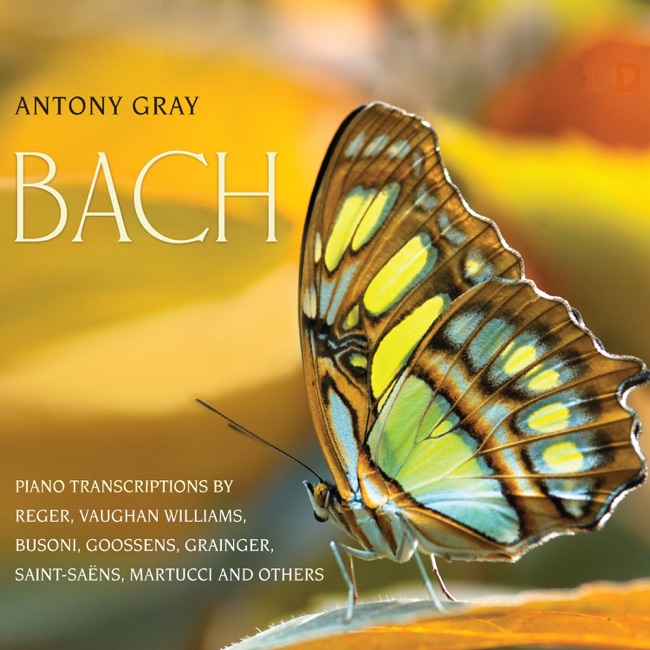
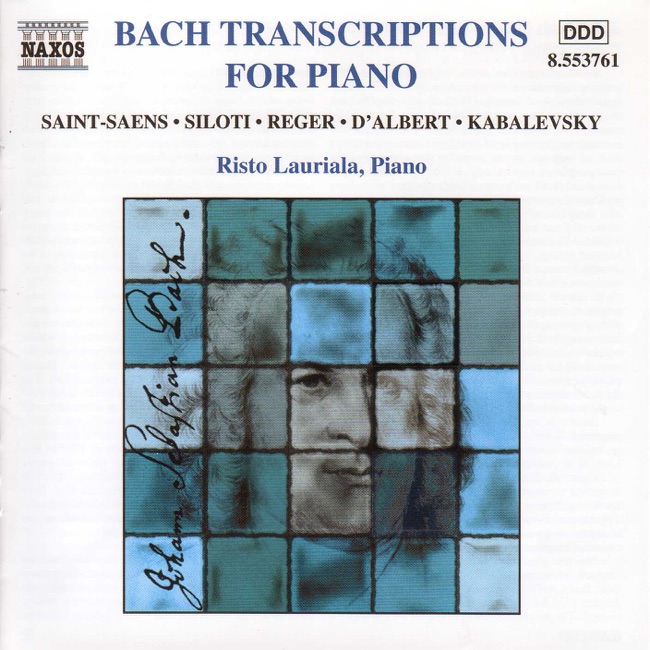
Works Info
Composer:Max RegerGenre:KeyboardStyle:FugueFirst Performance:1911Average_duration:9:13Max Reger's "Toccata and Fugue in D minor (after J.S. Bach, BWV 565)" is a transcription of Johann Sebastian Bach's famous organ work. Reger composed the piece in 1900, and it premiered on October 28 of the same year in Leipzig, Germany. The piece is divided into two movements: a toccata and a fugue. The toccata is a virtuosic display of keyboard technique, characterized by fast, flashy runs and arpeggios. Reger's transcription of Bach's toccata is faithful to the original, but he adds his own flourishes and embellishments to the piece. The fugue, on the other hand, is a more complex and structured piece. It begins with a subject, a short melodic phrase that is repeated and developed throughout the piece. The subject is then imitated by other voices, creating a polyphonic texture. Reger's transcription of the fugue is also faithful to the original, but he adds his own harmonies and counterpoint to the piece. Reger's transcription of Bach's "Toccata and Fugue in D minor" is notable for its use of chromaticism and dissonance. Reger was known for his interest in the music of Bach and his contemporaries, and his transcription of this piece reflects his own musical style. The piece is also notable for its use of dynamic contrasts and dramatic shifts in tempo, which add to the overall intensity of the piece. Overall, Reger's "Toccata and Fugue in D minor (after J.S. Bach, BWV 565)" is a virtuosic and complex piece that showcases both Reger's own musical style and his admiration for the music of Bach. Its premiere in 1900 was met with critical acclaim, and it remains a popular piece in the organ repertoire today.More....
Works Music
Released Music

3
3:49
4

3:49
5
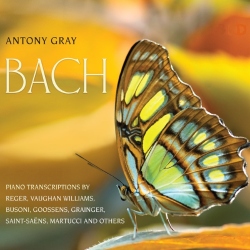
6:51
6
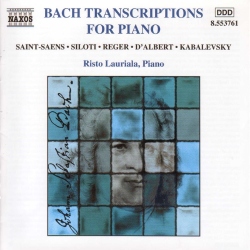
9:48