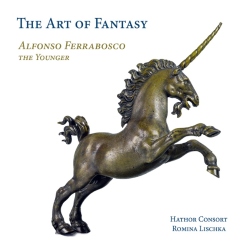
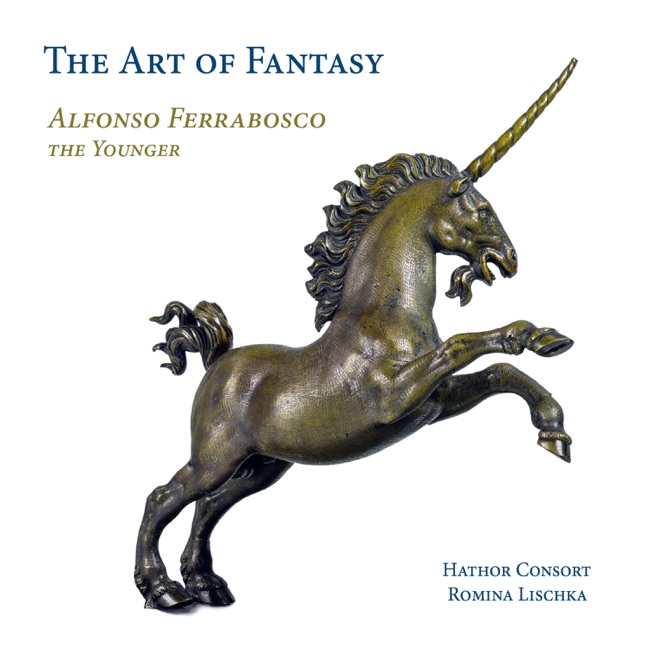
Alfonso Ferrabosco
Pavin
Released Album
Recent Album
Works Info
Composer:Alfonso FerraboscoGenre:MiscellaneousStyle:MiscellaneousAverage_duration:4:05Alfonso Ferrabosco was a prominent English composer of the late Renaissance period. He was born in Italy in 1543 and moved to England in the 1560s, where he became a member of the court of Queen Elizabeth I. Ferrabosco was known for his skill in composing instrumental music, particularly for the viola da gamba. One of his most famous works is the Pavin, which was composed in the late 16th century. The exact date of composition is unknown, but it is believed to have been written sometime between 1580 and 1600. The Pavin is a slow, stately dance that was popular in the Renaissance period. It was typically performed at courtly events and was often used as an opening dance. The Pavin is a single-movement piece that is characterized by its slow tempo and dignified, regal melody. It is written in a duple meter and is typically performed in a moderate tempo. The piece is structured around a repeating chord progression that provides a steady harmonic foundation for the melody. The melody itself is simple and elegant, with a graceful contour that is well-suited to the viola da gamba. One of the most notable features of the Pavin is its use of ornamentation. Ferrabosco was known for his skill in ornamentation, and the Pavin is no exception. The piece is filled with trills, turns, and other embellishments that add depth and complexity to the melody. These ornaments are notated in the score, but the performer is expected to add their own interpretation and improvisation to them. The Pavin was premiered at courtly events during the late Renaissance period and quickly became a popular dance. It was often performed in pairs with another dance, such as the Galliard. The Pavin remained popular throughout the Baroque period and was often included in collections of instrumental music. Overall, the Pavin is a beautiful and elegant piece of music that showcases Ferrabosco's skill as a composer and his love for the viola da gamba. Its slow tempo and graceful melody make it a perfect example of the courtly dances of the Renaissance period.More....