


Jan Pieterszoon Sweelinck
Tu as esté, Seigneur, nostre retraicte (Psalm 90)
Released Album
Recent Album
Works Info
Composer:Jan Pieterszoon SweelinckGenre:ChoralStyle:PsalmPublication Date:1613Average_duration:2:10Jan Pieterszoon Sweelinck was a Dutch composer and organist of the late Renaissance and early Baroque periods. He was born in Deventer, Netherlands, in 1562 and died in Amsterdam in 1621. Sweelinck was one of the most important composers of his time, and his music had a significant influence on the development of Baroque music. One of Sweelinck's most famous works is "Tu as esté, Seigneur, nostre retraicte (Psalm 90)," which was composed in the early 17th century. The piece is a setting of Psalm 90, which is a prayer of Moses that asks God for protection and guidance. The premiere of "Tu as esté, Seigneur, nostre retraicte" is not known, but it was likely performed in a church or cathedral in the Netherlands. The piece is written for four voices (soprano, alto, tenor, and bass) and is scored for organ accompaniment. The piece is divided into three movements. The first movement is a slow and solemn setting of the psalm text, with the voices singing in unison. The second movement is a lively and joyful section that contrasts with the first movement. The voices sing in harmony, and the organ provides a lively accompaniment. The third movement returns to the solemn mood of the first movement, with the voices singing in unison once again. The characteristics of "Tu as esté, Seigneur, nostre retraicte" reflect Sweelinck's style as a composer. The piece is characterized by its use of polyphony, which is the combination of multiple voices or instruments to create a complex and harmonious sound. Sweelinck was known for his skill in writing polyphonic music, and "Tu as esté, Seigneur, nostre retraicte" is a prime example of his talent. The piece also reflects Sweelinck's use of contrasting moods and textures. The first and third movements are slow and solemn, while the second movement is lively and joyful. The use of organ accompaniment adds to the richness of the piece, providing a full and resonant sound. Overall, "Tu as esté, Seigneur, nostre retraicte" is a beautiful and complex piece of music that reflects Sweelinck's skill as a composer. Its use of polyphony, contrasting moods, and organ accompaniment make it a masterpiece of the Renaissance and early Baroque periods.More....
Works Music
Released Music
1
1:44
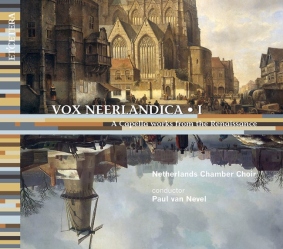
3
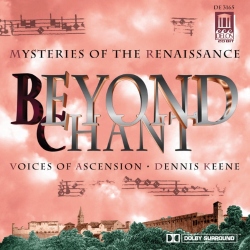
2:9