


Georg Philipp Telemann
Das mässige Glück, TWV 20:31
Released Album
Recent Album
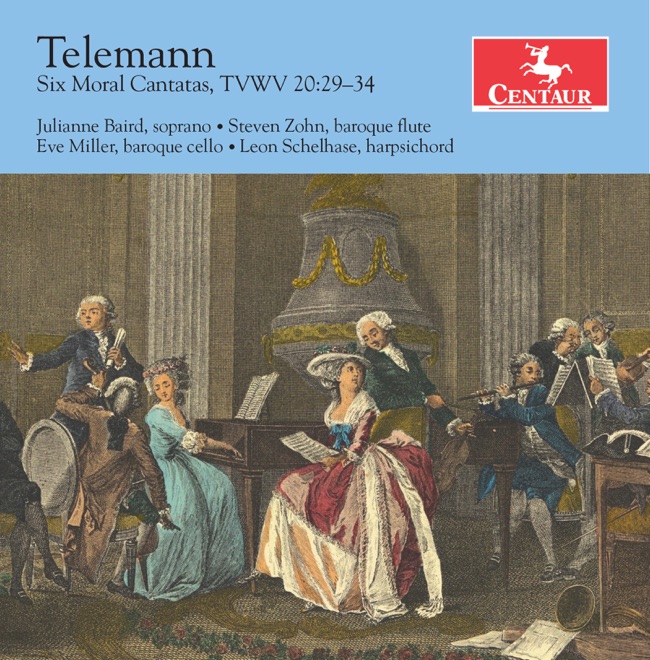
Featured Album
Works Info
Composer:Georg Philipp TelemannGenre:VocalStyle:CantataCompose Date:1736 - 1737Average_duration:7:29Movement_count:3Movement ....Georg Philipp Telemann's "Das mässige Glück, TWV 20:31" is a chamber cantata for soprano, flute, and continuo. It was composed in the early 18th century and premiered in Hamburg, Germany. The cantata consists of three movements, each with its own unique characteristics. The first movement, marked "Largo," is a recitative in which the soprano sings of the fleeting nature of happiness. The flute and continuo provide a gentle accompaniment, with the flute occasionally taking the lead in a brief solo passage. The movement is characterized by its slow tempo and contemplative mood. The second movement, marked "Allegro," is an aria in which the soprano sings of the dangers of excessive happiness. The flute and continuo provide a lively accompaniment, with the flute taking on a more prominent role in the music. The movement is characterized by its fast tempo and playful, dance-like rhythm. The final movement, marked "Largo," is another recitative in which the soprano reflects on the balance between happiness and sorrow. The flute and continuo provide a subdued accompaniment, with the flute occasionally adding a mournful melody. The movement is characterized by its slow tempo and introspective mood. Overall, "Das mässige Glück, TWV 20:31" is a thoughtful and introspective work that explores the nature of happiness and the dangers of excess. Telemann's use of the flute adds a playful and lively element to the music, while the soprano's reflective lyrics provide a sense of depth and meaning. The cantata remains a popular work in the chamber music repertoire and is often performed in concert halls and recital venues around the world.More....
Works Music
Released Music
Featured Music
1
4:1
2
1:
3
2:28