Johann Ernest Galliard
Sonata No. 1 in A minor for bassoon & continuo
Released Album
Recent Album
-
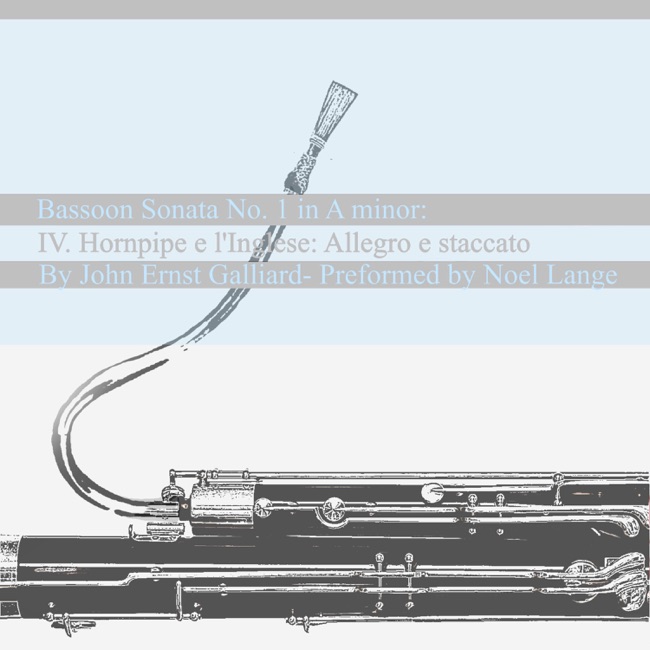 Noel LangeJanuary 28, 2017
 -

-
Works Info
Composer:Johann Ernest GalliardGenre:ChamberStyle:SonataAverage_duration:7:25Johann Ernest Galliard's Sonata No. 1 in A minor for bassoon & continuo is a Baroque-era composition that was composed in the early 18th century. The exact date of composition is unknown, but it is believed to have been written around 1720. The sonata was premiered in London, where Galliard was a prominent composer and performer. The sonata consists of three movements: Adagio, Allegro, and Adagio-Allegro. The first movement, Adagio, is a slow and expressive piece that showcases the bassoon's rich and mellow tone. The second movement, Allegro, is a lively and energetic piece that features virtuosic passages for the bassoon. The final movement, Adagio-Allegro, is a combination of the first two movements, with a slow and expressive opening followed by a fast and lively conclusion. The sonata is characterized by its use of the bassoon as a solo instrument, which was a relatively new concept at the time. Galliard's writing for the bassoon is virtuosic and demanding, requiring the performer to navigate complex runs and leaps with ease. The continuo part, which is typically played on a harpsichord or organ, provides a harmonic foundation for the bassoon's melodic lines. Overall, Sonata No. 1 in A minor for bassoon & continuo is a significant work in the bassoon repertoire and a testament to Galliard's skill as a composer. Its combination of expressive melodies and virtuosic passages make it a challenging and rewarding piece for performers and a delight for audiences.More....
Works Music
Released Music