


Gregorian Chant
Dies sanctificatus, halleluja
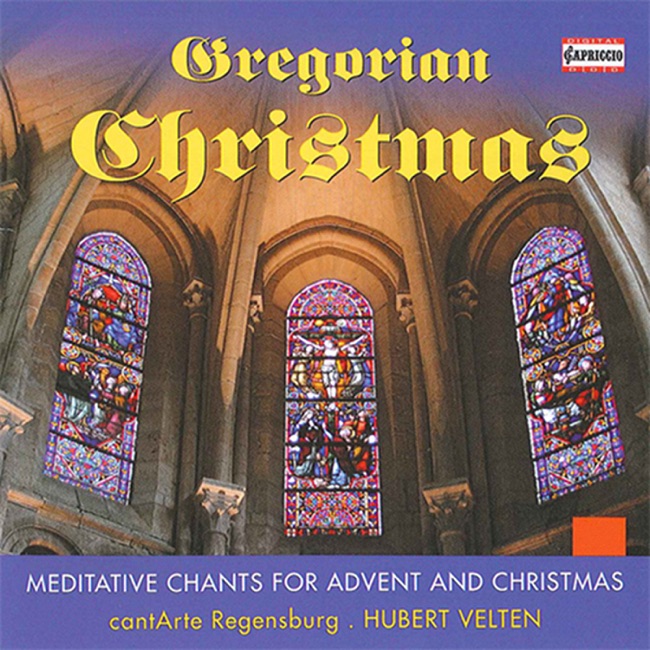
Works Info
Composer:Gregorian ChantGenre:ChoralStyle:ChantAverage_duration:2:18Dies sanctificatus, halleluja is a Gregorian Chant that is commonly used during the Easter season. It is a hymn that celebrates the resurrection of Jesus Christ and the triumph of life over death. The composition of this chant is attributed to the early Christian church, and it has been passed down through the centuries as a sacred piece of music. The exact date of the composition of Dies sanctificatus, halleluja is unknown, but it is believed to have been written in the early Christian era. The chant has been used in Christian liturgy for centuries, and it continues to be a popular piece of music in churches around the world. Dies sanctificatus, halleluja is typically performed in a single movement, and it is characterized by its simple melody and repetitive structure. The chant is sung in Latin, and it features a call-and-response format, with the choir singing the main melody and the congregation responding with the refrain "halleluja." The melody of Dies sanctificatus, halleluja is based on a series of simple, ascending and descending notes, which give the chant a sense of movement and progression. The repetition of the melody and the refrain create a sense of unity and continuity, which is appropriate for a hymn that celebrates the eternal nature of life and the triumph of the human spirit over death. Overall, Dies sanctificatus, halleluja is a powerful and uplifting piece of music that has been cherished by Christians for centuries. Its simple melody and repetitive structure make it easy to sing and remember, and its message of hope and triumph over death continues to resonate with people of all faiths and backgrounds.More....
Works Music
Released Music
1
This sanctificatus, alleluia
Dies sanctificatus, halleluja (Messe am Tag - Proprium und Ordinarium (de Angelis)) (25. Dezember: Hochfest der Geburt des Herrn) (25th December: Highfeast of Christbirth)
2:42