Louis Couperin
Fugue sur la tierce du Grand Clavier (L'oeuvre d'orgue, No. 63)
Released Album
Recent Album
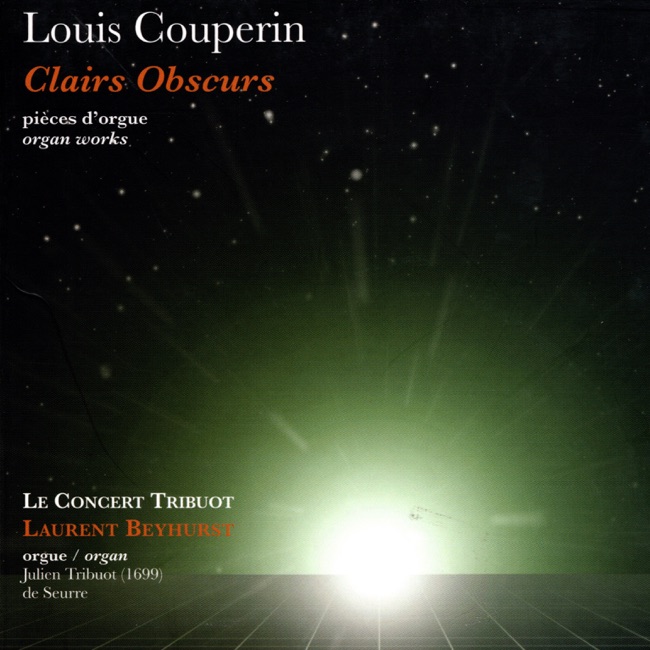
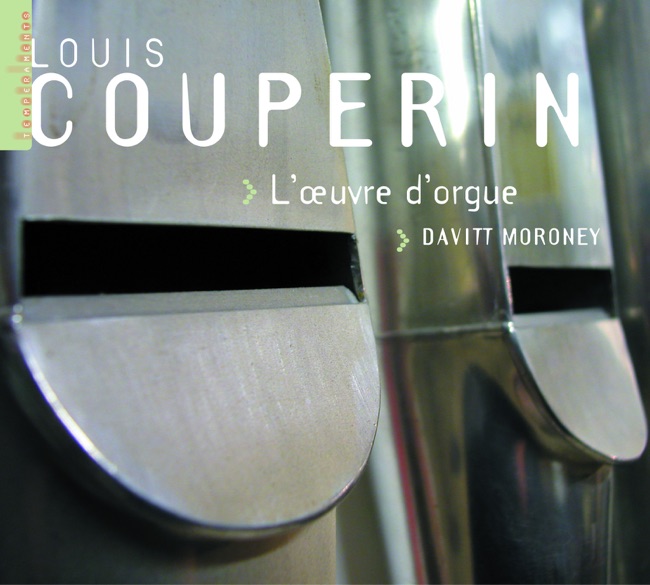
Works Info
Composer:Louis CouperinGenre:KeyboardStyle:FugueCompose Date:Oct 6, 1656Average_duration:2:05Louis Couperin was a French Baroque composer and organist who lived from 1626 to 1661. He was a member of a famous musical family that included his cousin, the more well-known composer François Couperin. Louis Couperin's Fugue sur la tierce du Grand Clavier is one of his most famous works and is part of his collection of organ music called L'oeuvre d'orgue. The Fugue sur la tierce du Grand Clavier was composed in the mid-17th century and premiered in Paris, France. It is a single-movement work that is characterized by its use of counterpoint and its intricate, complex harmonies. The piece is written for the organ and is designed to showcase the instrument's capabilities. The fugue begins with a simple, yet elegant theme that is introduced by the organ's right hand. This theme is then repeated and developed throughout the piece, with the left hand and pedals joining in to create a rich, layered texture. The fugue is structured in a way that allows for the theme to be passed between the different voices, creating a sense of unity and coherence. One of the most notable characteristics of the Fugue sur la tierce du Grand Clavier is its use of dissonance. Couperin employs a variety of dissonant chords and intervals throughout the piece, which creates a sense of tension and release. This use of dissonance was a hallmark of Baroque music and was often used to create emotional depth and complexity. Overall, the Fugue sur la tierce du Grand Clavier is a masterful example of Baroque organ music. Its intricate counterpoint, complex harmonies, and use of dissonance make it a challenging and rewarding piece for both performers and listeners alike.More....
Works Music