Jean-Baptiste Loeillet (of Ghent)
Sonata for recorder & continuo in F minor, Op. 4/2
Released Album
Recent Album
Works Info
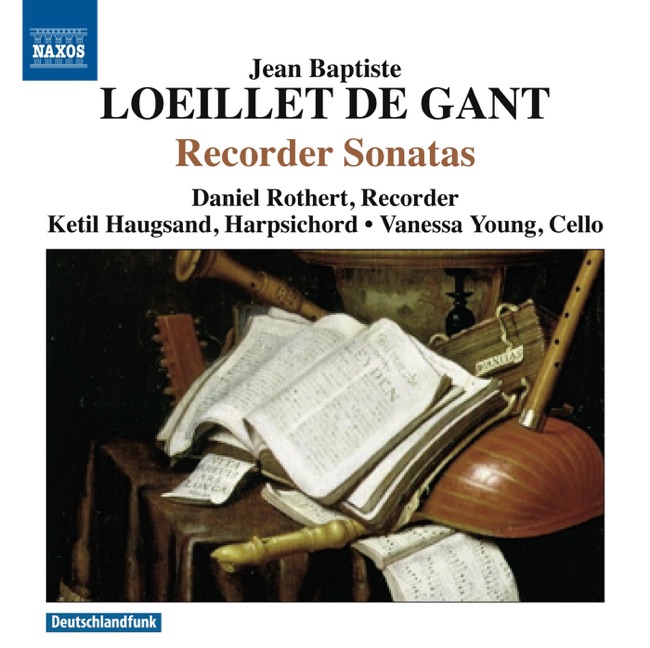
Composer:Jean-Baptiste Loeillet (of Ghent)Genre:ChamberAverage_duration:8:00Movement_count:4Movement ....The 'Sonata for recorder & continuo in F minor, Op. 4/2' is a Baroque composition by the Belgian composer Jean-Baptiste Loeillet (of Ghent). It was composed in the early 18th century and is part of a collection of six sonatas for recorder and continuo, published as Opus 4. The 'Sonata for recorder & continuo in F minor, Op. 4/2' is a three-movement work, with a typical Baroque structure of fast-slow-fast. The first movement is marked "Adagio-Allegro", the second "Largo", and the third "Allegro". The sonata is scored for recorder and continuo, with the continuo part typically played on a harpsichord or organ. The first movement of the sonata begins with a slow, mournful Adagio section, which is followed by a lively Allegro section. The second movement, Largo, is a slow and expressive melody, with the recorder taking the lead. The final movement, Allegro, is a fast and lively dance-like section, with the recorder and continuo playing off each other in a playful and virtuosic manner. The 'Sonata for recorder & continuo in F minor, Op. 4/2' is a fine example of Loeillet's skill as a composer. The work is characterized by its expressive melodies, intricate counterpoint, and virtuosic recorder writing. The sonata is also notable for its use of ornamentation, which was a common feature of Baroque music. The 'Sonata for recorder & continuo in F minor, Op. 4/2' was first published in London in 1728, and it quickly became popular among recorder players of the time. Today, it remains a popular work in the recorder repertoire, and it is frequently performed and recorded by both amateur and professional musicians.More....
Works Music