Franz Liszt
Elegie I, for cello, piano, harp & harmonium, S. 130bis
Released Album
Featured Album
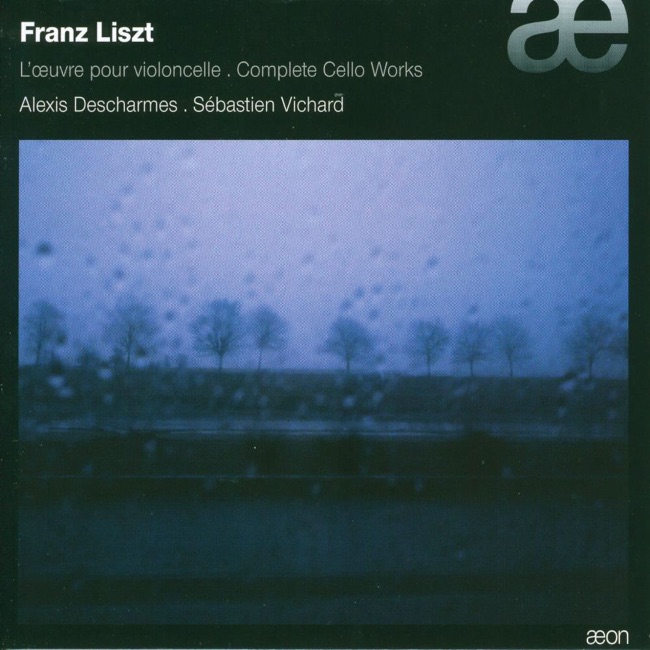
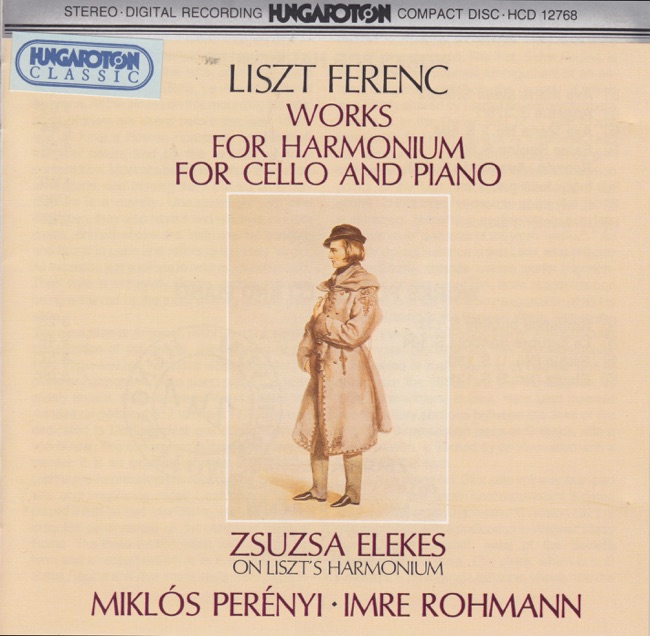
Works Info
Composer:Franz LisztGenre:ChamberStyle:ElegyCompose Date:1874Publication Date:1875First Performance:Jul 17, 1875Average_duration:5:17Franz Liszt's 'Elegie I, for cello, piano, harp & harmonium, S. 130bis' was composed in 1874, and premiered in the same year in Weimar, Germany. The piece is divided into two movements, with the first movement being marked Adagio and the second movement marked Allegretto. The first movement of the 'Elegie I' is characterized by its mournful and melancholic tone. The cello takes the lead in this movement, with the piano, harp, and harmonium providing a soft and delicate accompaniment. The harmonium, in particular, adds a haunting quality to the piece, with its sustained notes creating a sense of longing and sadness. The movement is structured around a simple melody that is repeated and developed throughout, with Liszt using subtle variations in harmony and rhythm to create a sense of tension and release. The second movement of the 'Elegie I' is more upbeat and lively than the first. It is marked by a playful and dance-like quality, with the cello and piano taking turns to lead the melody. The harp and harmonium provide a light and airy accompaniment, with the harmonium once again adding a haunting quality to the piece. The movement is structured around a simple, folk-like melody that is repeated and developed throughout, with Liszt using subtle variations in harmony and rhythm to create a sense of momentum and energy. Overall, the 'Elegie I' is a beautiful and poignant work that showcases Liszt's skill as a composer. The piece is characterized by its delicate and nuanced use of instrumentation, with Liszt using the cello, piano, harp, and harmonium to create a rich and complex tapestry of sound. The 'Elegie I' is a testament to Liszt's ability to evoke powerful emotions through his music, and remains a beloved work in the classical repertoire to this day.More....
Works Music