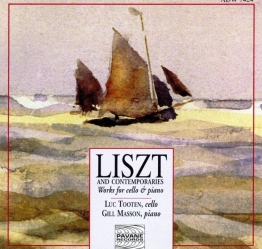
Franz Liszt
Elegie: Die Zelle in Nonnenwerth (IVa), S. 382
Released Album
Recent Album
Works Info
Composer:Franz LisztGenre:ChamberStyle:ElegyCompose Date:1883Publication Date:1883First Performance:Mar 16, 1885Average_duration:5:46Franz Liszt's "Elegie: Die Zelle in Nonnenwerth (IVa), S. 382" is a solo piano piece that was composed in 1881. It was premiered in the same year in Weimar, Germany. The piece is part of a larger collection of works called "Années de pèlerinage" (Years of Pilgrimage), which is a set of three suites that Liszt composed over a period of several years. The "Elegie: Die Zelle in Nonnenwerth (IVa), S. 382" is the fourth piece in the second suite of "Années de pèlerinage." It is a slow and mournful piece that is characterized by its use of chromaticism and dissonance. The piece is written in the key of E-flat minor and is in a ternary form, with a central section that is more agitated than the outer sections. The opening section of the piece is marked "Lento placido," which means slow and peaceful. The music is characterized by a simple melody that is played in the right hand over a series of arpeggiated chords in the left hand. The middle section of the piece is marked "Poco più mosso," which means a little more movement. This section is more agitated than the opening section and features a more complex melody that is played in both hands. The final section of the piece returns to the opening melody and is marked "Lento placido." However, the music is now more harmonically complex, with Liszt using chromaticism and dissonance to create a sense of tension and unease. The piece ends with a quiet and unresolved chord, which adds to the overall sense of melancholy and sadness. Overall, "Elegie: Die Zelle in Nonnenwerth (IVa), S. 382" is a beautiful and haunting piece of music that showcases Liszt's skill as a composer. Its use of chromaticism and dissonance creates a sense of tension and unease that is balanced by the simple and peaceful melody of the opening section. The piece is a testament to Liszt's ability to create music that is both technically challenging and emotionally powerful.More....
Works Music
Released Music