Bernardo Storace
Ballo alla Battaglia
Released Album
Recent Album

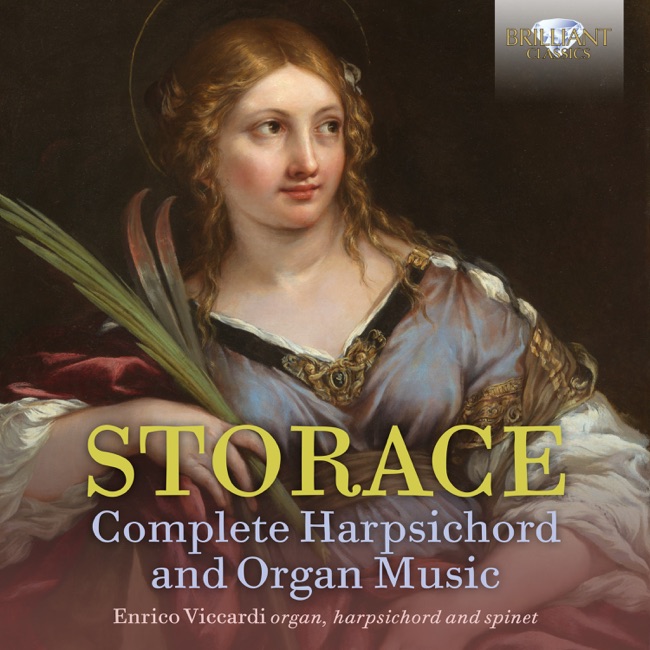
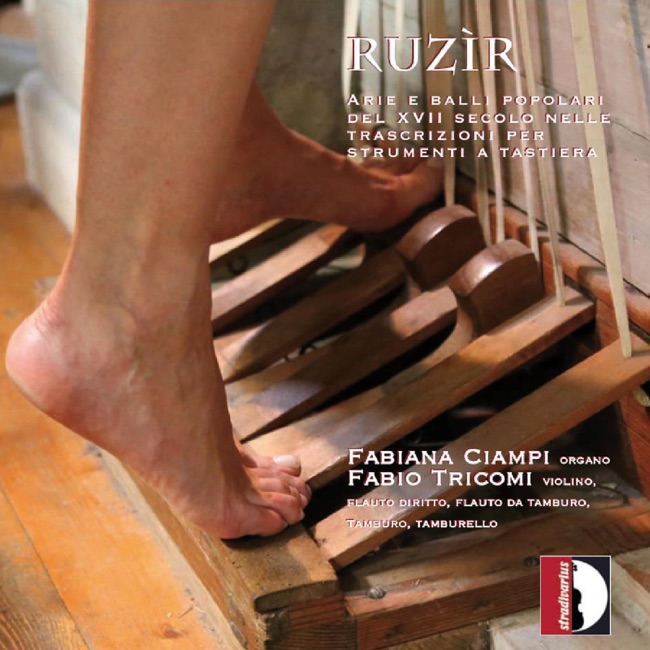
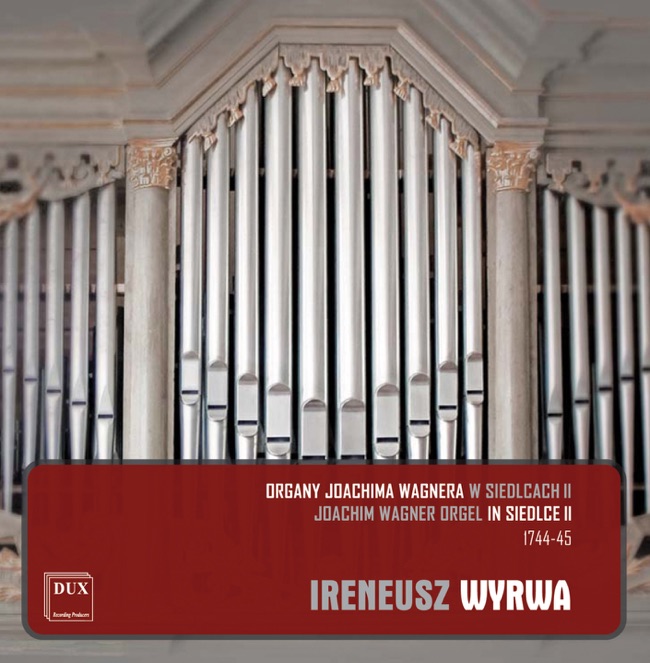
Works Info
Composer:Bernardo StoraceGenre:KeyboardStyle:KeyboardAverage_duration:2:51Ballo alla Battaglia is a Baroque dance suite composed by Bernardo Storace. The exact date of its composition is unknown, but it is believed to have been written in the early 17th century. The piece consists of six movements, each of which is named after a different dance. The first movement is titled "Entrata," which means entrance. It is a stately and grand introduction to the suite, featuring a slow and majestic melody played by the harpsichord. The second movement is called "Corrente," which is a fast and lively dance in triple meter. It is characterized by its rapid and intricate melodic lines, which are played by both the harpsichord and the accompanying instruments. The third movement is titled "Gagliarda," which is a lively and energetic dance in duple meter. It is characterized by its strong and rhythmic melody, which is played by the harpsichord and the accompanying instruments. The fourth movement is called "Sarabanda," which is a slow and stately dance in triple meter. It is characterized by its mournful and melancholic melody, which is played by the harpsichord. The fifth movement is titled "Corrente Seconda," which is a faster and more complex version of the second movement. It features a more intricate and elaborate melody, which is played by the harpsichord and the accompanying instruments. The final movement is called "Giga," which is a fast and lively dance in compound meter. It is characterized by its playful and energetic melody, which is played by the harpsichord and the accompanying instruments. Overall, Ballo alla Battaglia is a lively and energetic dance suite that showcases Storace's skill as a composer. Its six movements are each unique and distinct, featuring a variety of different rhythms, melodies, and moods. The piece is a testament to the rich and vibrant musical culture of the Baroque era, and it remains a popular and beloved work in the classical repertoire to this day.More....
Works Music
Released Music
1
Battle Dance
Ballo della battaglia from Selva di varie compositioni d'intavolatura per cimbalo ed organo
2:37
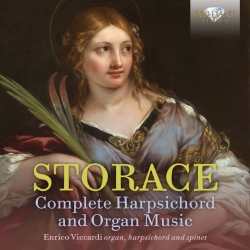
4

Battle Dance
Ballo della battaglia (from "Selva di varie compositioni d' intavolatura per cimbalo ed organo")
1:49
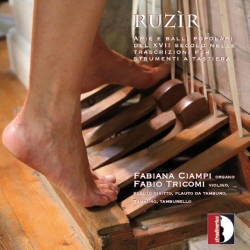
7
4:3