John Dowland
Farewell, too fair
Released Album
Recent Album

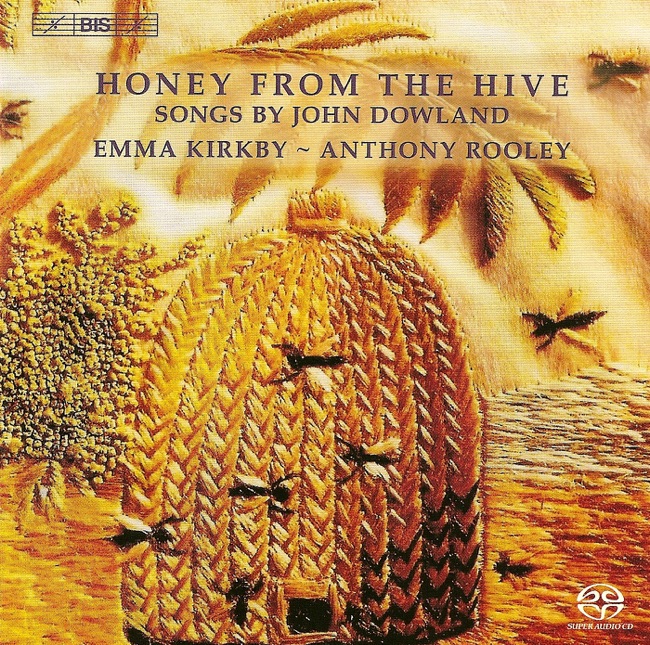
Works Info
Composer:John DowlandGenre:VocalStyle:Vocal MusicCompose Date:1603Publication Date:1603Average_duration:3:20'Farewell, too fair' is a melancholic and hauntingly beautiful song composed by John Dowland, one of the most prominent composers of the Elizabethan era. The song was composed in the late 16th century and was first published in Dowland's collection of songs titled 'The Second Booke of Songs or Ayres' in 1600. The song is written in the form of a lute song, which was a popular genre of music during the Renaissance period. It consists of a solo voice accompanied by a lute, which provides a delicate and intricate harmonic accompaniment. The song is composed in the key of G minor and has a slow and mournful tempo. 'Farewell, too fair' is divided into three distinct movements, each of which expresses a different emotion. The first movement is characterized by a sense of longing and sadness, as the speaker bids farewell to his beloved. The second movement is more introspective and contemplative, as the speaker reflects on the nature of love and the pain of separation. The final movement is a lament, as the speaker mourns the loss of his love and the passing of time. The song is notable for its use of vivid imagery and metaphorical language. The speaker compares his love to a flower that withers and dies, and laments the passing of time that separates him from his beloved. The song is also notable for its use of chromaticism, which creates a sense of tension and unease in the music. Overall, 'Farewell, too fair' is a masterpiece of Renaissance music, and a testament to Dowland's skill as a composer. Its haunting melody and poignant lyrics continue to resonate with audiences today, making it a timeless classic of the English song repertoire.More....
Works Music
Released Music