Alexandre Guilmant
Élégie fugue in F minor, Op. 44/2
Released Album
Recent Album
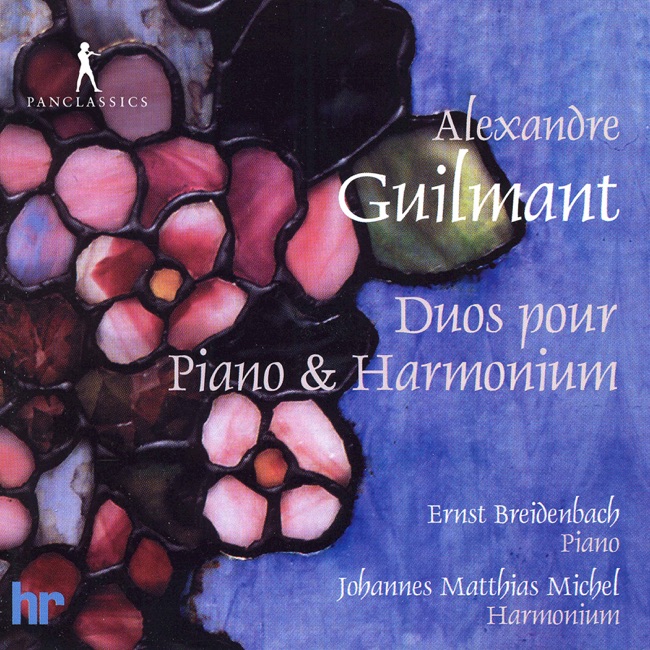
Featured Album
Works Info
Composer:Alexandre GuilmantGenre:KeyboardStyle:KeyboardCompose Date:Dec 20, 1874Average_duration:6:25Alexandre Guilmant was a French composer, organist, and teacher who lived from 1837 to 1911. He was a prolific composer of organ music, and his Élégie fugue in F minor, Op. 44/2 is one of his most famous works. The Élégie fugue in F minor was composed in 1893 and premiered the same year in Paris. It is a single-movement work that lasts around 10 minutes. The piece is written for solo organ and is characterized by its mournful and melancholic tone. The piece begins with a slow and somber introduction, with the organ playing a series of chords that set the mood for the rest of the work. The main theme is then introduced, a mournful melody that is played in the lower registers of the organ. This theme is then developed and expanded upon throughout the piece, with Guilmant using a variety of techniques to create a sense of tension and drama. One of the most notable features of the Élégie fugue is its use of the fugue form. Guilmant employs a traditional fugue structure, with the main theme being introduced and then developed through a series of imitative entries. The fugue subject is a simple but effective melody that is played in various keys and registers throughout the piece. Despite its melancholic tone, the Élégie fugue is also a technically demanding work. Guilmant makes use of a variety of organ techniques, including pedal work, registration changes, and complex harmonies. The piece requires a skilled organist to perform it effectively. Overall, the Élégie fugue in F minor, Op. 44/2 is a powerful and moving work that showcases Guilmant's skill as a composer and his deep understanding of the organ. Its mournful tone and use of the fugue form make it a standout piece in the organ repertoire.More....
Works Music