Felix Mendelssohn
Magnificat in B flat major, Op. 69/3
Released Album
Recent Album
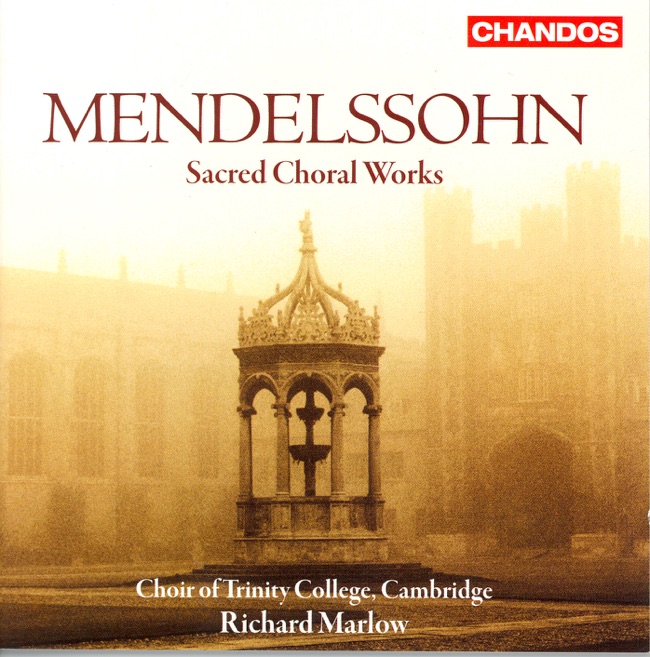
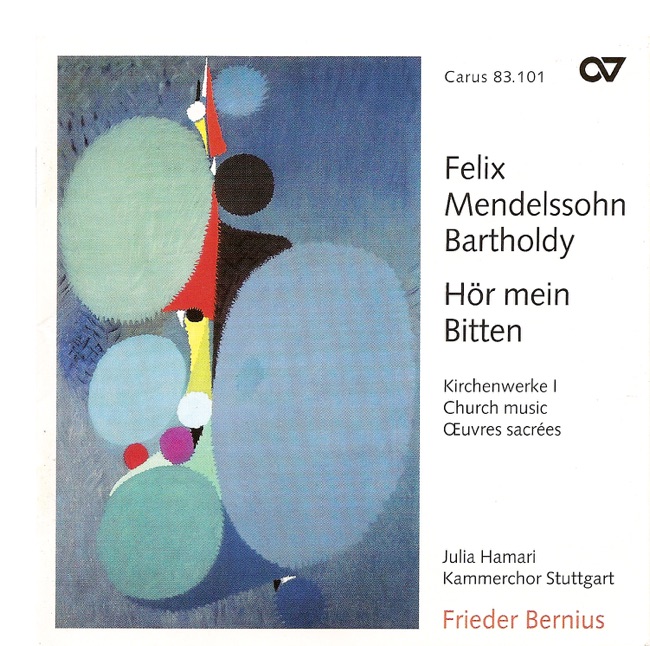
Works Info
Composer:Felix MendelssohnGenre:ChoralStyle:MagnificatCompose Date:Jun 12, 1847Publication Date:1847Average_duration:9:03Felix Mendelssohn composed his Magnificat in B flat major, Op. 69/3 in 1847. The piece was premiered on December 10, 1847, in Leipzig, Germany, under the composer's direction. The Magnificat is a sacred choral work that sets the text of the Magnificat, a hymn of praise to the Virgin Mary, as found in the Gospel of Luke. The Magnificat in B flat major, Op. 69/3 is divided into seven movements, each of which sets a different section of the Magnificat text. The first movement, "Magnificat anima mea Dominum," is a joyful and exuberant setting of the opening lines of the hymn. The second movement, "Et exultavit spiritus meus," is a lively and energetic setting of the next section of the text. The third movement, "Quia respexit humilitatem," is a more subdued and introspective setting of the text. The fourth movement, "Omnes generationes," is a grand and majestic setting of the text, featuring a full choir and orchestra. The fifth movement, "Quia fecit mihi magna," is a solo aria for soprano, accompanied by a small ensemble. The sixth movement, "Et misericordia," is a duet for alto and tenor, accompanied by a small ensemble. The final movement, "Gloria Patri," is a triumphant and celebratory setting of the doxology that concludes the hymn. The Magnificat in B flat major, Op. 69/3 is characterized by Mendelssohn's skillful use of choral and orchestral textures, as well as his ability to create a sense of drama and emotion through his music. The piece is notable for its use of solo voices and small ensembles, which provide a contrast to the full choir and orchestra. The Magnificat is also notable for its use of counterpoint, which is a hallmark of Mendelssohn's style. Overall, the Magnificat in B flat major, Op. 69/3 is a masterful work that showcases Mendelssohn's skill as a composer and his deep understanding of sacred music. Its premiere in Leipzig was a great success, and the piece continues to be performed and admired by audiences and musicians alike.More....
Works Music