Cecil Macklin
Too Much Mustard
Released Album
Recent Album

Featured Album
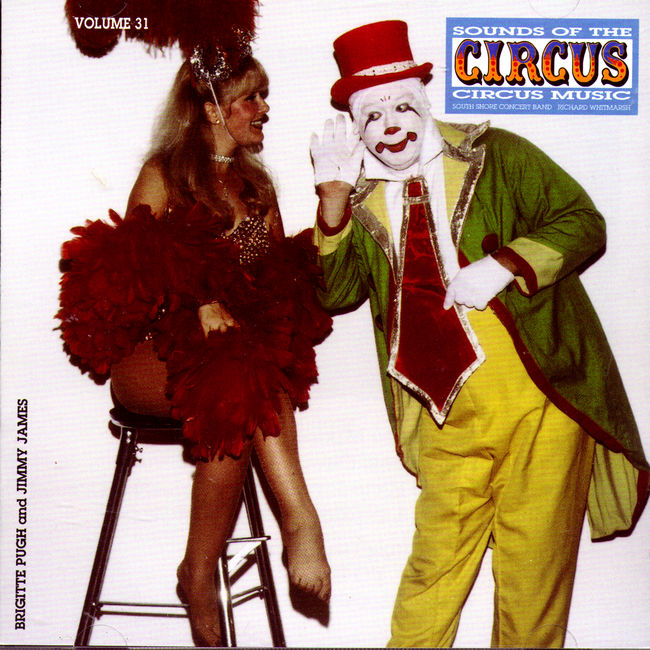
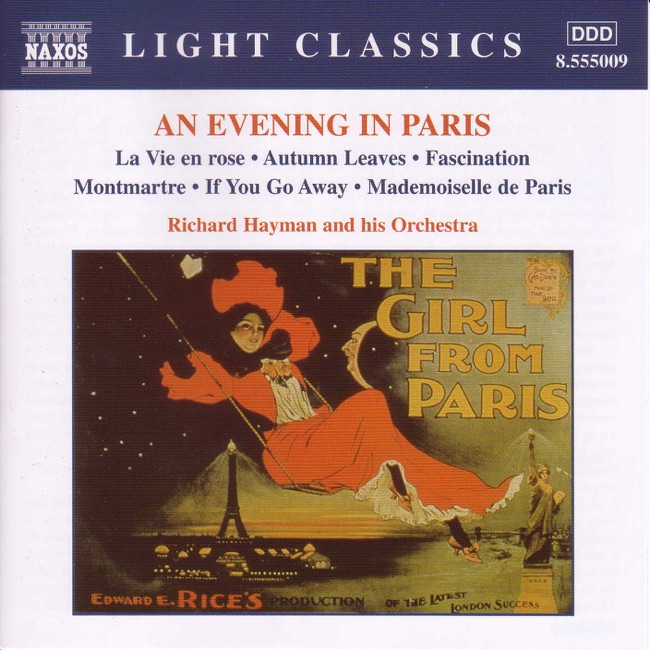
Works Info
Composer:Cecil MacklinGenre:KeyboardStyle:One-StepCompose Date:1911Publication Date:1911Average_duration:2:33"Too Much Mustard" is a ragtime composition by Cecil Macklin, an English composer and pianist. The piece was composed in 1904 and premiered the same year. It is a classic example of the ragtime genre, which was popular in the United States during the late 19th and early 20th centuries. The composition is divided into three movements, each with its own distinct character. The first movement is marked "Moderato" and features a lively, syncopated melody that is typical of ragtime music. The second movement, marked "Andante," is more subdued and features a slower, more melodic theme. The final movement, marked "Allegro," returns to the lively, syncopated style of the first movement. One of the most notable characteristics of "Too Much Mustard" is its use of syncopation. Syncopation is a rhythmic technique in which the emphasis is placed on the offbeat, creating a sense of tension and excitement. This technique is a hallmark of ragtime music and is used extensively throughout "Too Much Mustard." Another characteristic of the composition is its use of chromaticism. Chromaticism is a musical technique in which notes outside of the key signature are used to create a sense of tension and dissonance. Macklin uses chromaticism to great effect in "Too Much Mustard," creating a sense of unpredictability and excitement. Overall, "Too Much Mustard" is a classic example of the ragtime genre and showcases Macklin's skill as a composer and pianist. Its lively, syncopated melodies and use of chromaticism make it a memorable and exciting piece of music that continues to be enjoyed by audiences today.More....
Works Music
Released Music

Featured Music