Amy Beach
The Fair Hills of Éiré, O!, Op. 91
Released Album
Recent Album
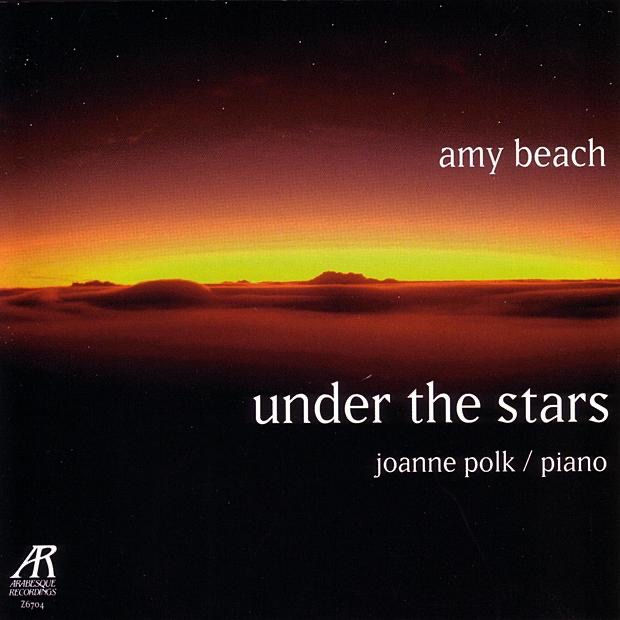
Works Info
Composer:Amy BeachGenre:KeyboardStyle:KeyboardPublication Date:1922First Performance:Oct 8, 1921Average_duration:4:46Amy Beach's 'The Fair Hills of Éiré, O!, Op. 91' is a choral work that was composed in 1916. The piece was premiered on May 11, 1917, by the Handel and Haydn Society in Boston, Massachusetts. The work is divided into four movements, each of which is characterized by its unique musical style and thematic material. The first movement, 'The Fair Hills of Éiré, O!', is a lively and energetic piece that features a fast-paced melody and a driving rhythm. The movement is characterized by its use of traditional Irish folk music, which is woven into the fabric of the piece. The movement is marked by its use of syncopated rhythms and lively dance-like melodies. The second movement, 'The Lament of Deirdre', is a slower and more contemplative piece that features a mournful melody and a somber mood. The movement is characterized by its use of chromatic harmonies and its expressive use of dynamics. The movement is marked by its use of long, flowing phrases and its use of rich, expressive harmonies. The third movement, 'The Joy of Spring', is a lively and upbeat piece that features a bright and cheerful melody and a lively rhythm. The movement is characterized by its use of lively dance-like rhythms and its use of bright, colorful harmonies. The movement is marked by its use of fast-paced, virtuosic passages and its use of intricate counterpoint. The fourth and final movement, 'The Bard of Armagh', is a slow and contemplative piece that features a mournful melody and a somber mood. The movement is characterized by its use of traditional Irish folk music, which is woven into the fabric of the piece. The movement is marked by its use of expressive dynamics and its use of rich, expressive harmonies. Overall, 'The Fair Hills of Éiré, O!, Op. 91' is a beautiful and expressive choral work that showcases Amy Beach's skill as a composer. The piece is characterized by its use of traditional Irish folk music, its expressive use of dynamics and harmonies, and its intricate counterpoint. The work remains a beloved piece in the choral repertoire and continues to be performed and enjoyed by audiences around the world.More....
Works Music
Released Music