Conlon Nancarrow
Study for Player Piano No. 2a
Released Album
Recent Album
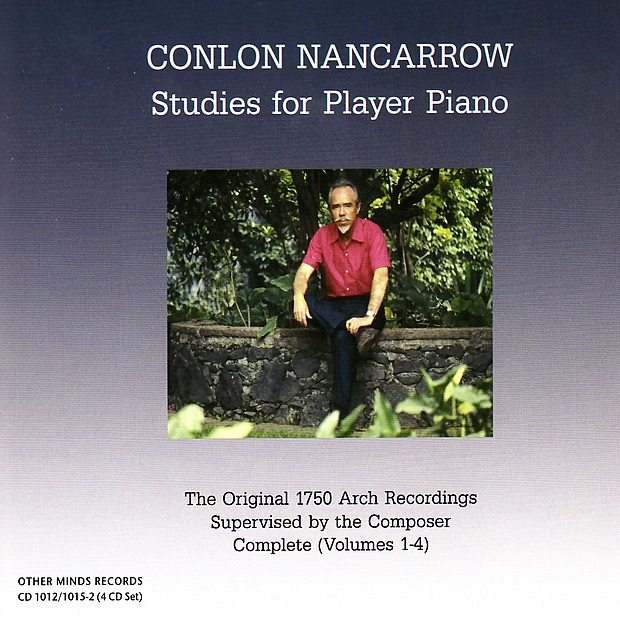
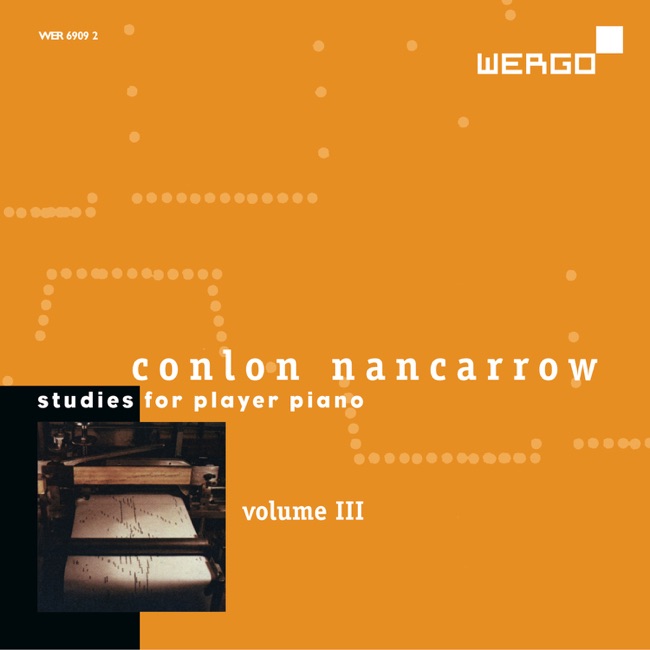
Featured Album

Works Info
Composer:Conlon NancarrowGenre:KeyboardStyle:KeyboardCompose Date:before 1950Average_duration:2:36Conlon Nancarrow's 'Study for Player Piano No. 2a' is a groundbreaking composition that was composed in 1948. The piece premiered in 1951 and is part of a larger collection of studies for player piano that Nancarrow composed throughout his career. The 'Study for Player Piano No. 2a' is a complex and intricate composition that is characterized by its use of polyrhythms and complex tempo changes. The piece is divided into three movements, each of which explores different rhythmic and melodic ideas. The first movement of the piece is marked by its use of syncopated rhythms and rapid-fire arpeggios. The second movement is slower and more contemplative, with a focus on sustained chords and melodic lines. The final movement of the piece is marked by its use of complex polyrhythms and rapid-fire runs that push the limits of what is possible on a player piano. One of the most notable characteristics of the 'Study for Player Piano No. 2a' is its use of the player piano as a compositional tool. Nancarrow was known for his use of the player piano, which allowed him to create complex and intricate compositions that would be impossible for a human performer to play. The player piano allowed Nancarrow to explore new rhythmic and melodic ideas that were not possible with traditional instruments. Overall, the 'Study for Player Piano No. 2a' is a groundbreaking composition that showcases Nancarrow's innovative approach to music composition. The piece's use of polyrhythms, complex tempo changes, and the player piano as a compositional tool make it a landmark work in the history of contemporary music.More....
Works Music
Released Music
Featured Music