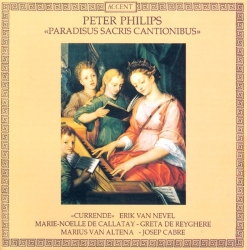
Peter Philips
Factum est silentium, a 5
Released Album
Recent Album
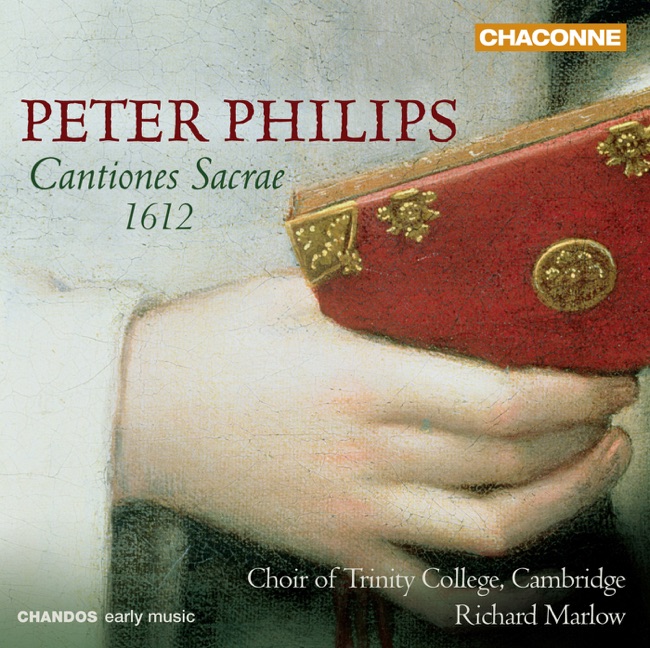
Featured Album
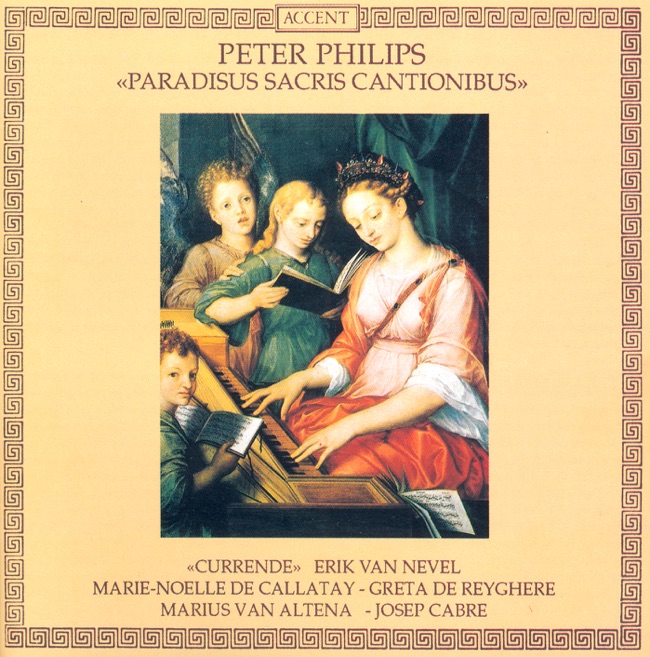
Works Info
Composer:Peter PhilipsCompose Date:1612Average_duration:3:28Factum est silentium, a 5 is a choral composition by Peter Philips, a renowned English composer of the Renaissance period. The piece was composed in the late 16th century, around 1593, during the reign of Queen Elizabeth I. It was first performed in the Chapel Royal, London, and was later published in Philips' collection of motets, Cantiones sacrae (Sacred Songs). Factum est silentium, a 5 is a motet, a type of choral composition that is typically sung in Latin and is often used in religious services. The piece is written for five voices, with two sopranos, alto, tenor, and bass. It is divided into three movements, each with its own distinct character and mood. The first movement is marked "Ad vigilias," which means "for the vigil." It is a slow and solemn piece, with a mournful melody that is sung by the alto voice. The other voices provide a rich harmonic accompaniment, creating a sense of depth and complexity. The text of this movement is taken from the Book of Job, and it speaks of the silence that falls upon the earth when God speaks. The second movement is marked "Ad matutinum," which means "for the morning." It is a lively and energetic piece, with a fast-paced melody that is sung by the sopranos. The other voices provide a rhythmic accompaniment, creating a sense of urgency and excitement. The text of this movement is taken from the Book of Revelation, and it speaks of the joy that comes with the dawn of a new day. The third and final movement is marked "Ad laudes," which means "for the praises." It is a triumphant and celebratory piece, with a majestic melody that is sung by the tenor voice. The other voices provide a rich harmonic accompaniment, creating a sense of grandeur and majesty. The text of this movement is taken from the Book of Psalms, and it speaks of the glory of God and the power of his name. Overall, Factum est silentium, a 5 is a masterful example of Renaissance choral music. It showcases Philips' skill as a composer, with its intricate harmonies, complex rhythms, and rich melodies. The piece is a testament to the power of music to convey deep emotions and spiritual truths, and it continues to be performed and admired by musicians and audiences alike.More....
Works Music
Released Music
Featured Music