Rued Langgaard
The Fire Chambers, BVN 221
Released Album
Recent Album
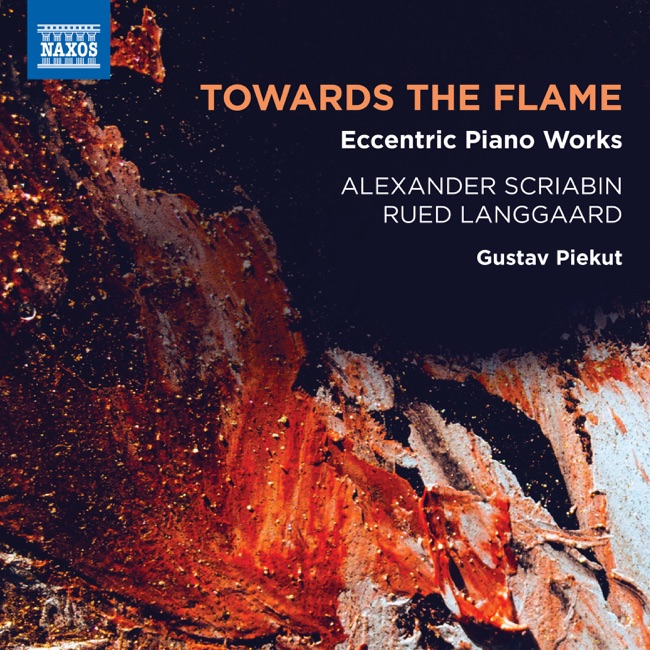
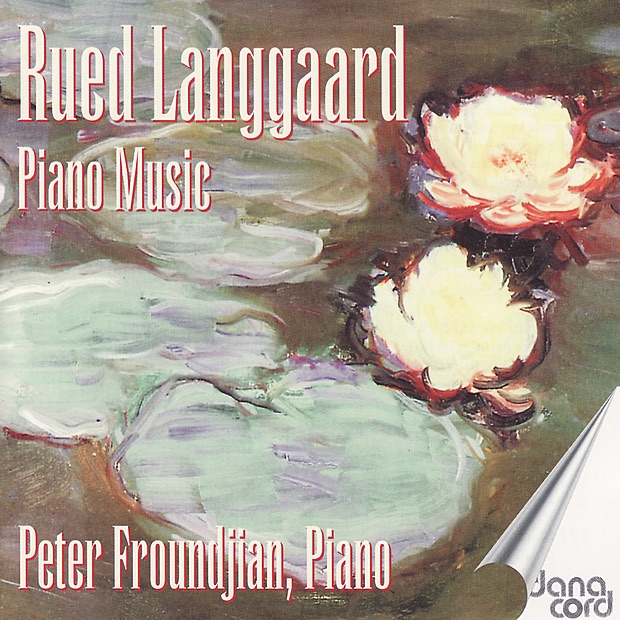
Works Info
Composer:Rued LanggaardGenre:KeyboardStyle:KeyboardCompose Date:1930Average_duration:8:01Rued Langgaard's 'The Fire Chambers, BVN 221' is a symphonic poem that was composed in 1916. It premiered on March 16, 1917, in Copenhagen, Denmark, conducted by Langgaard himself. The piece is divided into three movements, each depicting a different aspect of fire. The first movement, 'The Flames of Passion,' begins with a slow and mysterious introduction, building up to a fiery and passionate theme. The music is intense and dramatic, with the orchestra using a wide range of dynamics and timbres to create a sense of urgency and excitement. The movement ends with a powerful climax, representing the intensity of passion. The second movement, 'The Flames of Destruction,' is much darker and more ominous than the first. The music is slow and brooding, with a sense of impending doom. The orchestra uses dissonant harmonies and eerie melodies to create a sense of chaos and destruction. The movement ends with a violent outburst, representing the destructive power of fire. The final movement, 'The Flames of Transfiguration,' is the most mystical and spiritual of the three. The music is ethereal and otherworldly, with a sense of transcendence and transformation. The orchestra uses shimmering strings and delicate woodwinds to create a sense of lightness and beauty. The movement ends with a serene and peaceful coda, representing the transformative power of fire. Overall, 'The Fire Chambers' is a powerful and evocative piece of music, showcasing Langgaard's unique style and vision. The piece is characterized by its use of vivid imagery, intense emotions, and a wide range of orchestral colors and textures. It remains a popular and influential work in the repertoire of modern classical music.More....
Works Music
Released Music