Robert Fayrfax
Most Clere of Colour for 3 voices
Released Album
Recent Album

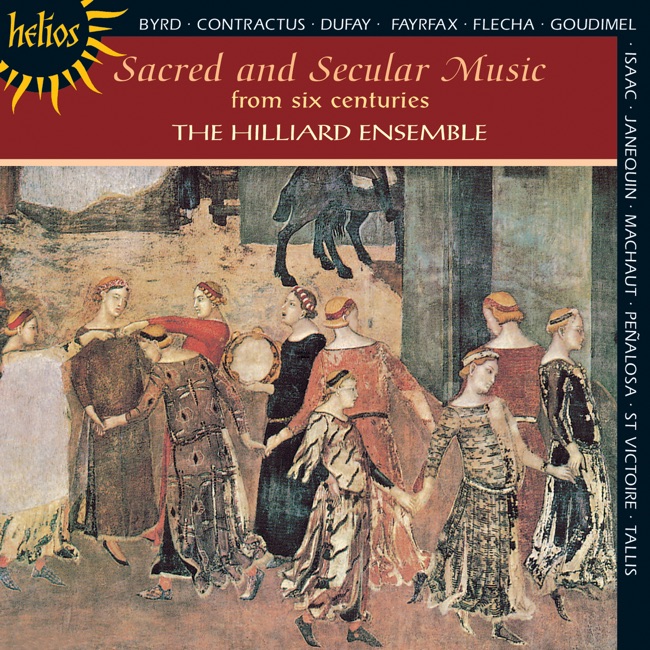
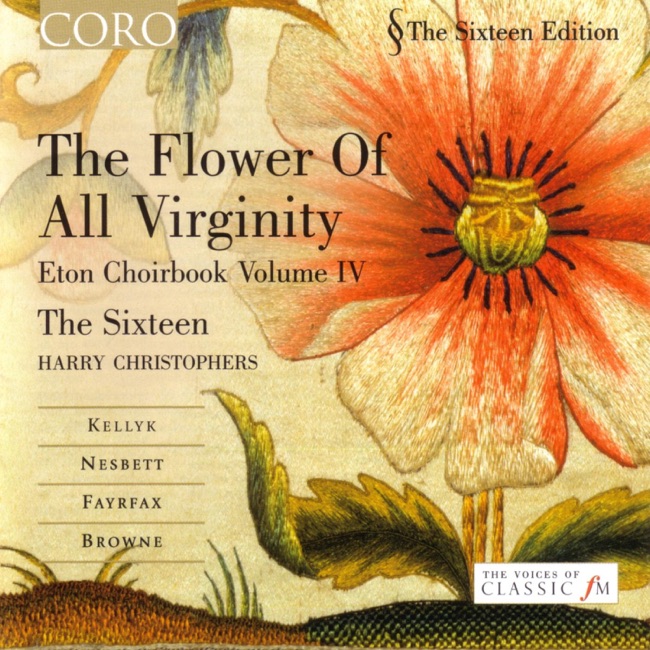
Works Info
Composer:Robert FayrfaxGenre:VocalStyle:Part SongAverage_duration:2:07"Most Clere of Colour for 3 voices" is a choral work composed by Robert Fayrfax, an English composer of the Renaissance period. The piece was composed in the early 16th century, around the year 1500. It is believed to have been premiered at the Chapel Royal, where Fayrfax was a member of the choir. The work is divided into three movements, each of which is sung by a different voice part: soprano, alto, and tenor. The text of the piece is a poem by the 15th-century Scottish poet William Dunbar, which praises the beauty of the Virgin Mary. The first movement, sung by the soprano, is characterized by its flowing, melismatic lines and its use of imitation between the voices. The second movement, sung by the alto, is more homophonic in texture, with the voices moving together in block chords. The third movement, sung by the tenor, is the most complex of the three, with intricate counterpoint and frequent changes in meter. One of the most notable characteristics of "Most Clere of Colour" is its use of "clerestory" or "high" style. This style was popular in English choral music of the Renaissance period and was characterized by its use of complex polyphony, intricate rhythms, and elaborate melodic lines. Fayrfax was one of the leading composers of this style, and "Most Clere of Colour" is a prime example of his mastery of it. Overall, "Most Clere of Colour for 3 voices" is a beautiful and complex choral work that showcases Fayrfax's skill as a composer. Its use of intricate counterpoint, complex rhythms, and flowing melodic lines make it a masterpiece of the English Renaissance.More....
Works Music
Released Music