Johann Sebastian Bach
Canon concordia discors, BWV 1086
Released Album
Recent Album
Works Info
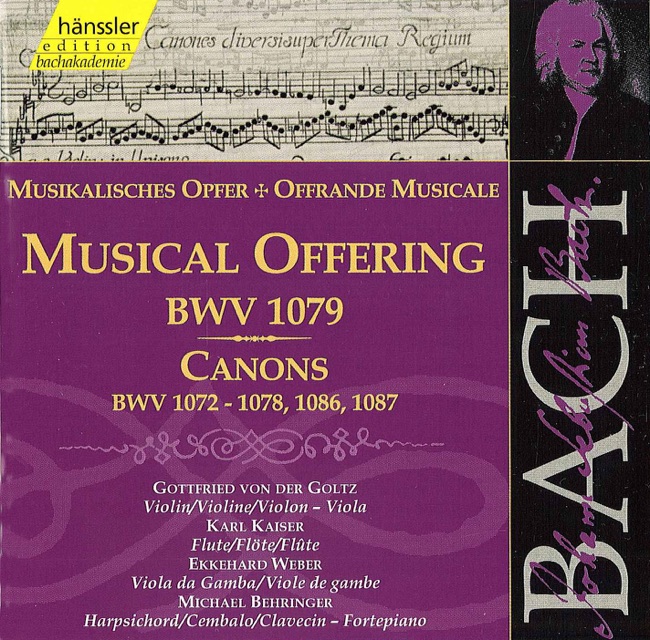
Composer:Johann Sebastian BachGenre:KeyboardStyle:CanonCompose Date:before 1751Publication Date:1974Average_duration:0:49Johann Sebastian Bach composed the 'Canon concordia discors, BWV 1086' in Leipzig in 1748. The piece was premiered on October 3, 1748, during the annual celebration of the Reformation at the St. Thomas Church in Leipzig. The 'Canon concordia discors' is a canon in four voices, which means that each voice enters at a different time, singing the same melody. However, the melody is not exactly the same in each voice, as Bach uses different intervals and rhythms to create a harmonious yet contrasting effect. The title of the piece, 'Canon concordia discors', translates to "discordant harmony," which reflects the tension between the different voices. The piece consists of three movements, each with a different text. The first movement is based on the hymn "Ein feste Burg ist unser Gott" (A Mighty Fortress Is Our God), which was written by Martin Luther. The second movement uses the text "Gott, durch deine Güte" (God, through Your goodness), and the third movement is based on the text "Nun danket alle Gott" (Now thank we all our God). The 'Canon concordia discors' is characterized by its intricate counterpoint and complex harmonies. Bach uses various techniques, such as inversion and retrograde, to create a sense of unity and diversity within the piece. The canon also features a wide range of dynamics and articulations, which add to the expressive nature of the music. Overall, the 'Canon concordia discors, BWV 1086' is a masterful example of Bach's skill in composing complex and beautiful music. Its use of canonic techniques and intricate harmonies make it a challenging yet rewarding piece for performers and listeners alike.More....
Works Music