Johann Ludwig Krebs
Fugue for organ in G minor
Released Album
Recent Album


Works Info
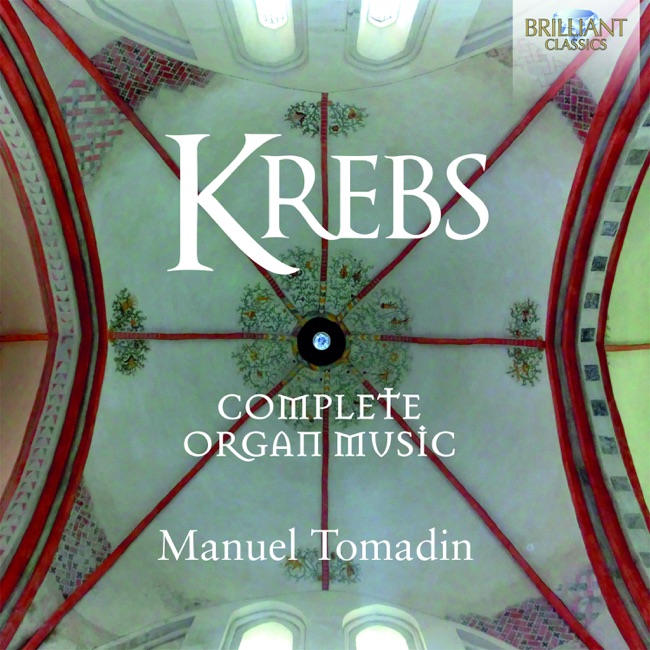
Composer:Johann Ludwig KrebsStyle:FugueAverage_duration:1:14Johann Ludwig Krebs was a German composer and organist who lived from 1713 to 1780. He was a student of Johann Sebastian Bach and was greatly influenced by his teacher's style. One of Krebs' most famous works is the Fugue for organ in G minor, which was composed in the mid-18th century. The Fugue for organ in G minor is a four-movement work that is characterized by its intricate counterpoint and complex harmonies. The piece begins with a slow and somber introduction that sets the mood for the rest of the work. The first movement is a fugue that features a subject that is introduced by the organ and then imitated by other voices. The subject is then developed and expanded upon throughout the movement. The second movement is a lively and energetic scherzo that provides a contrast to the more serious first movement. The third movement is a slow and contemplative adagio that features a beautiful melody played by the organ. The final movement is a fugue that is similar in style to the first movement but is more complex and features more intricate counterpoint. The Fugue for organ in G minor premiered in the mid-18th century and quickly became popular among organists and music enthusiasts. The piece is known for its technical difficulty and its use of complex harmonies and counterpoint. It is often performed in recitals and concerts and is considered to be one of Krebs' most important works. Overall, the Fugue for organ in G minor is a masterpiece of Baroque music that showcases Krebs' skill as a composer and organist. Its intricate counterpoint and complex harmonies make it a challenging piece to perform, but its beauty and emotional depth make it a beloved work among musicians and audiences alike.More....
Works Music
Released Music