Georg Philipp Telemann
Erwachet zum Kriegen, TWV 1:481
Released Album
Recent Album
Works Info
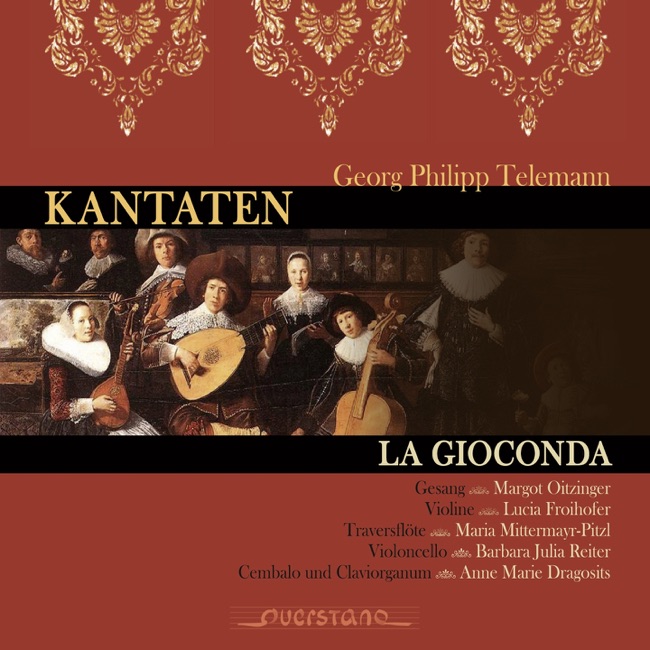
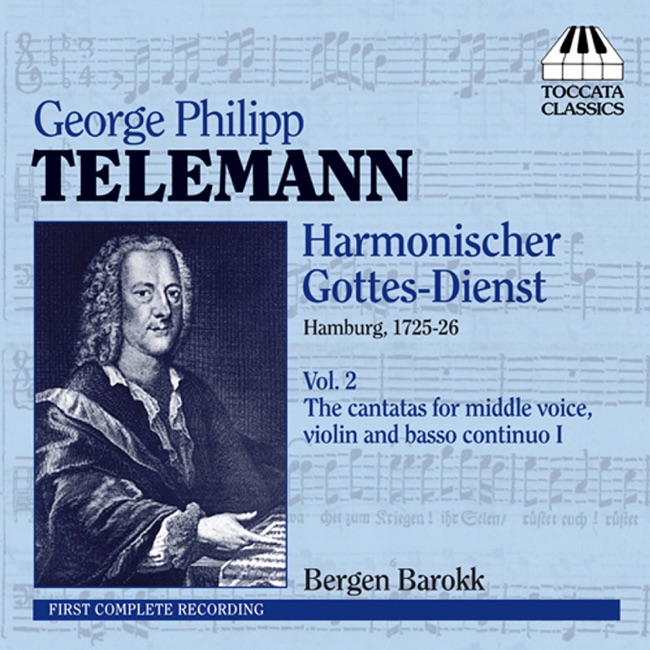
Composer:Georg Philipp TelemannGenre:VocalStyle:CantataCompose Date:1725 - 1726Publication Date:1725 - 1726Average_duration:7:53Georg Philipp Telemann was a prolific German composer of the Baroque era, known for his innovative and diverse musical style. One of his lesser-known works is the cantata "Erwachet zum Kriegen," TWV 1:481, which was composed in 1722. The cantata was premiered in Hamburg, Germany, and consists of three movements. The first movement, "Erwachet zum Kriegen," is a lively and energetic call to arms. The music is characterized by fast-paced rhythms, bold brass fanfares, and driving percussion. The lyrics urge the listener to awaken and prepare for battle, with lines such as "Awake, arise, ye warriors bold, and let your swords be drawn!" The music is full of martial spirit and is meant to inspire courage and determination in the listener. The second movement, "Der Herr ist mit uns," is a more contemplative and introspective piece. The music is slower and more subdued, with a focus on the vocal melody and harmonies. The lyrics speak of the Lord's presence and protection in times of war, with lines such as "The Lord is with us, our shield and our defender." The music is meant to provide comfort and reassurance to the listener, reminding them that they are not alone in their struggles. The final movement, "Gott, wir danken deiner Güte," is a joyful and celebratory piece. The music is characterized by lively rhythms, bright melodies, and exuberant vocal harmonies. The lyrics express gratitude for God's mercy and protection, with lines such as "We thank thee, Lord, for thy great goodness, and for thy watchful care." The music is meant to inspire a sense of gratitude and joy in the listener, reminding them of the blessings that come with victory in battle. Overall, "Erwachet zum Kriegen" is a powerful and stirring cantata that showcases Telemann's skill as a composer. The music is full of energy, emotion, and drama, and is meant to inspire and uplift the listener. While it may not be as well-known as some of Telemann's other works, it is a testament to his versatility and creativity as a composer.More....