Christopher Tye
Gloria, laus et honor
Released Album
Recent Album
Works Info
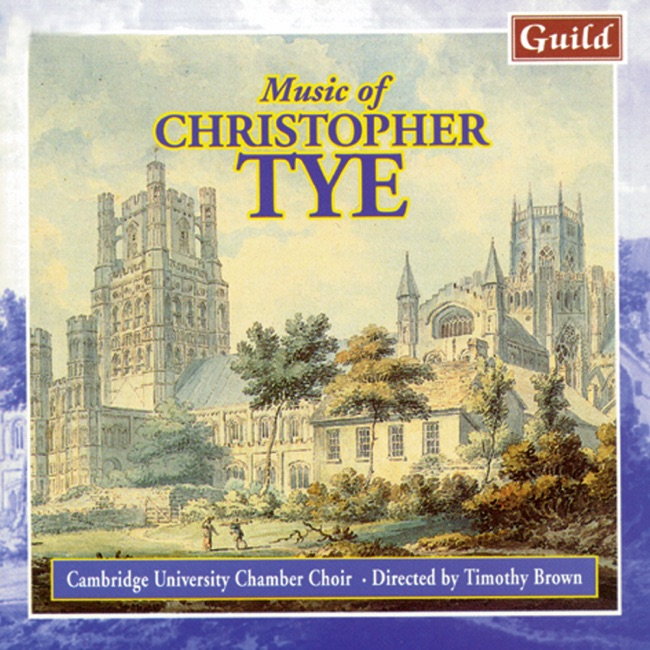
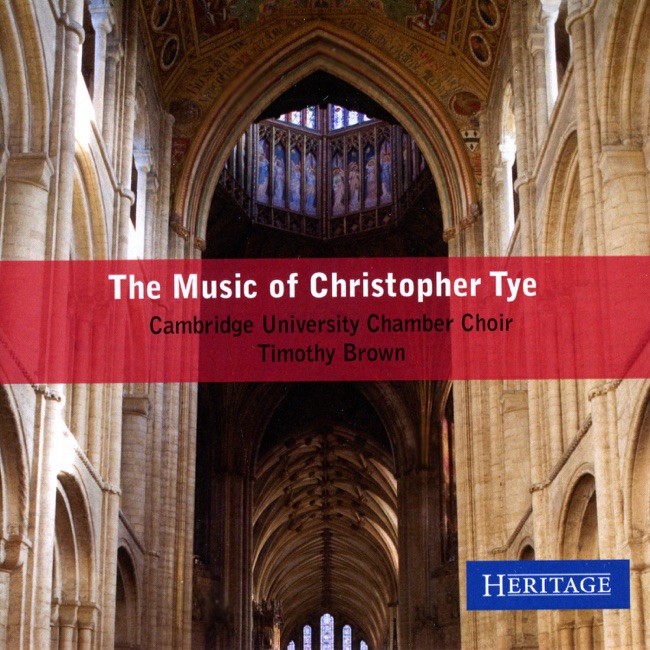
Composer:Christopher TyeGenre:ChoralStyle:Mass OrdinaryAverage_duration:5:34Christopher Tye was an English composer and organist who lived during the Renaissance period. He was born in the early 16th century and died in the mid-1570s. One of his most famous works is the hymn "Gloria, laus et honor," which is still sung in churches today. The hymn was composed in the mid-16th century, during the reign of Queen Mary I of England. It was likely written for use during Holy Week, specifically on Palm Sunday. The text of the hymn is based on a Latin poem by Theodulf of Orleans, which tells the story of Jesus' triumphal entry into Jerusalem. The hymn is divided into three movements, each with its own distinct character. The first movement is a joyful and triumphant celebration of Jesus' entry into Jerusalem. The second movement is more reflective and somber, as it focuses on the suffering and sacrifice that Jesus will soon endure. The third movement returns to the joyful tone of the first, as it looks forward to Jesus' eventual triumph over death. One of the most notable characteristics of "Gloria, laus et honor" is its use of antiphonal singing. This means that the choir is divided into two groups, with one group singing a phrase and the other group responding with a different phrase. This creates a sense of dialogue and interaction between the singers, and adds to the overall sense of celebration and joy in the hymn. Another characteristic of the hymn is its use of polyphony. This means that multiple voices are singing different melodies at the same time, creating a rich and complex texture of sound. Tye was known for his skill in writing polyphonic music, and "Gloria, laus et honor" is a prime example of his talent. Overall, "Gloria, laus et honor" is a beautiful and powerful hymn that has stood the test of time. Its joyful celebration of Jesus' triumphal entry into Jerusalem, combined with its somber reflection on his impending suffering, make it a fitting piece for use during Holy Week. And its use of antiphonal singing and polyphony make it a masterpiece of Renaissance choral music.More....
Works Music
Released Music