John Cage
Haikai, for flute & zoomoozophone
Released Album
Recent Album

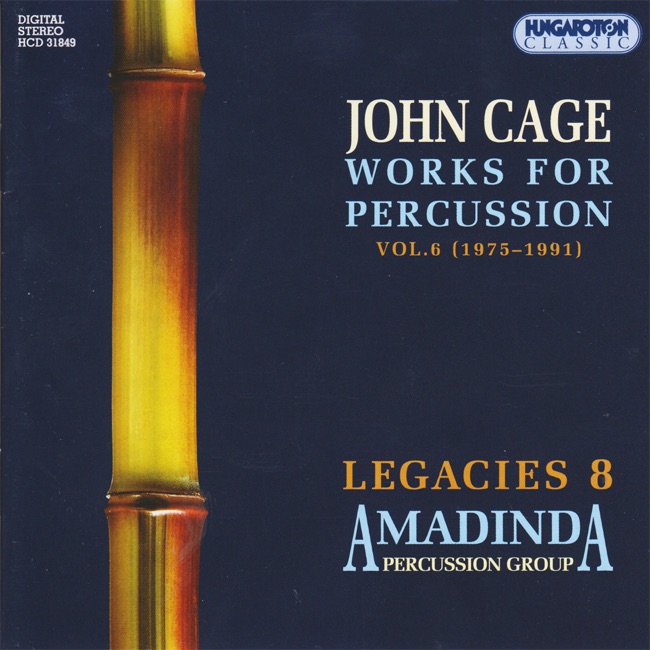
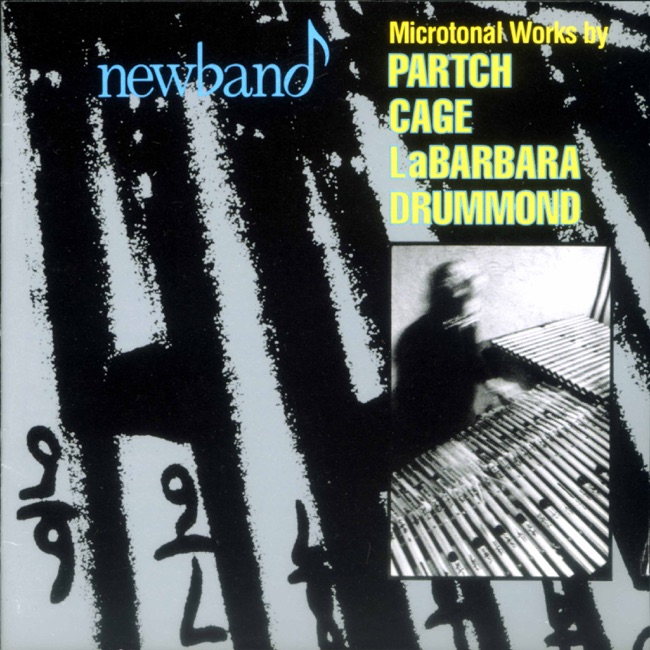
Works Info
Composer:John CageGenre:ChamberStyle:Chamber MusicCompose Date:1991Average_duration:7:36Haikai is a composition for flute and zoomoozophone, composed by John Cage in 1976. The piece was premiered on May 1, 1976, at the University of California, San Diego, by flutist Bertram Turetzky and Cage himself on the zoomoozophone. The composition consists of three movements, each with its own unique characteristics. The first movement is titled "Haikai," and it is characterized by the use of extended techniques on the flute, such as flutter-tonguing and key clicks. The zoomoozophone, which is a homemade instrument made of a metal pipe and a rubber ball, produces a variety of percussive sounds that complement the flute's timbre. The second movement, titled "Haikai II," is a duet between the flute and the zoomoozophone. The two instruments engage in a call-and-response dialogue, with the zoomoozophone producing a range of metallic and percussive sounds that contrast with the flute's more melodic lines. The final movement, titled "Haikai III," is a solo for the zoomoozophone. Cage explores the instrument's sonic possibilities, using a variety of techniques such as striking the metal pipe with a mallet and bouncing the rubber ball on the ground to create different rhythms and textures. Overall, Haikai is a playful and experimental composition that showcases Cage's interest in exploring unconventional sounds and techniques. The use of the zoomoozophone, a homemade instrument with a unique timbre, adds an element of unpredictability and spontaneity to the piece, making each performance a unique experience.More....
Works Music
Released Music