Georg Philipp Telemann
Sonata for violin & continuo in D major, TWV 41:D3
Released Album
Recent Album
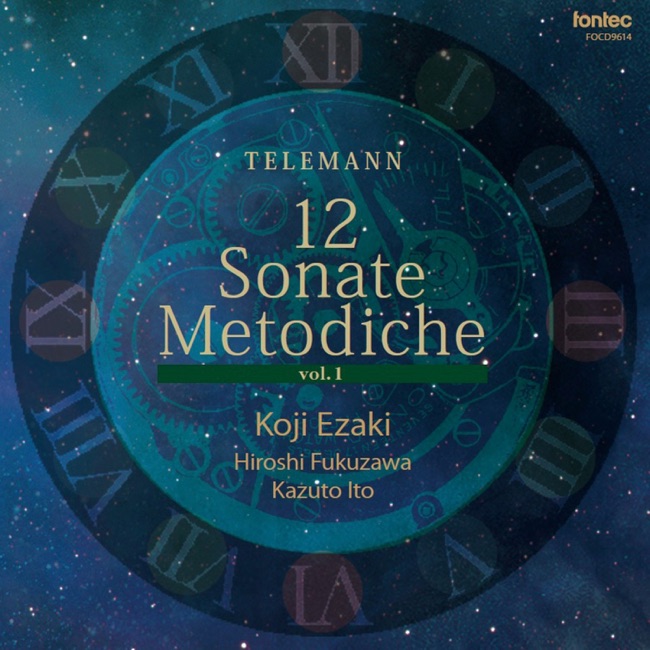
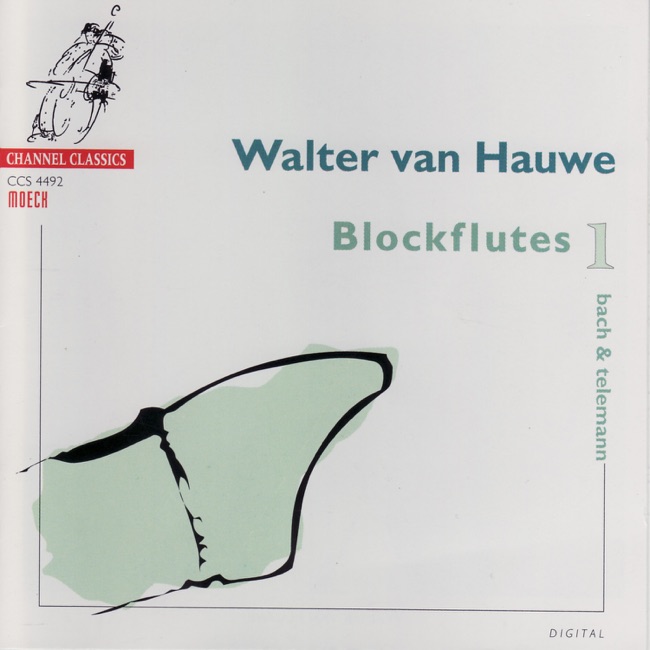
Works Info
Composer:Georg Philipp TelemannGenre:ChamberStyle:Chamber MusicCompose Date:Apr 13, 1728Publication Date:1728Average_duration:12:07Movement_count:4Movement ....Georg Philipp Telemann's Sonata for violin & continuo in D major, TWV 41:D3, was composed in the early 18th century. The exact date of composition is unknown, but it is believed to have been written between 1715 and 1720. The sonata was premiered in Germany, where Telemann was based for most of his career. The sonata consists of four movements: Adagio, Allegro, Largo, and Allegro. The first movement, Adagio, is a slow and expressive introduction that sets the tone for the rest of the piece. The second movement, Allegro, is a lively and energetic dance that showcases the virtuosity of the violinist. The third movement, Largo, is a slow and lyrical section that allows the violinist to display their ability to play with emotion and sensitivity. The final movement, Allegro, is a fast and lively dance that brings the sonata to a thrilling conclusion. One of the characteristics of Telemann's Sonata for violin & continuo in D major is its use of the continuo, which is a group of instruments that provide harmonic support for the soloist. In this sonata, the continuo consists of a harpsichord and a cello, which work together to create a rich and complex texture that complements the violin. Another characteristic of the sonata is its use of ornamentation, which was a common feature of Baroque music. Telemann's sonata includes trills, turns, and other embellishments that add to the beauty and complexity of the piece. Overall, Telemann's Sonata for violin & continuo in D major is a masterful example of Baroque music. Its intricate melodies, complex harmonies, and virtuosic violin passages make it a challenging and rewarding piece for performers and a delight for audiences.More....
Works Music
Released Music