Giovanni Pierluigi da Palestrina
Senex puerum portabat (from Motets Book I)
Released Album
Recent Album

Works Info
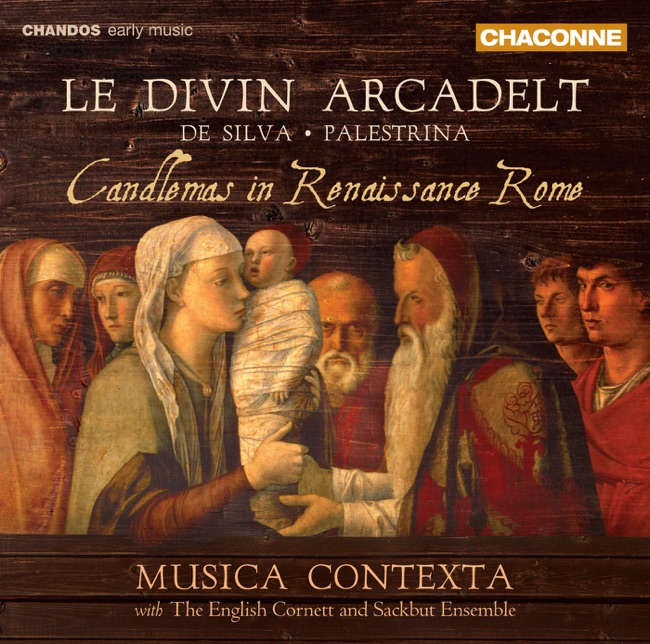
Composer:Giovanni Pierluigi da PalestrinaGenre:ChoralStyle:MotetCompose Date:1569Average_duration:5:57Giovanni Pierluigi da Palestrina was a renowned Italian composer of the Renaissance period. He is known for his sacred music compositions, which are still performed and admired today. One of his most famous works is the motet "Senex puerum portabat," which is part of his Motets Book I. The motet "Senex puerum portabat" was composed by Palestrina in the late 16th century. It is believed to have been written around 1570, during his time as the maestro di cappella at the Basilica of St. Mary Major in Rome. The motet is written for four voices, with the text taken from the Gospel of Luke. The motet is divided into three movements, each with its own distinct character. The first movement is slow and contemplative, with the voices singing in a homophonic texture. The second movement is faster and more lively, with the voices singing in a polyphonic texture. The third movement returns to the slower tempo of the first movement, with the voices singing in a more complex polyphonic texture. The motet "Senex puerum portabat" is characterized by its beautiful harmonies and intricate counterpoint. Palestrina's use of dissonance and resolution creates a sense of tension and release throughout the piece. The motet also features Palestrina's signature style of smooth voice leading and clear text setting, which allows the listener to easily follow the text. The premiere of "Senex puerum portabat" is unknown, but it is likely that it was performed in the Basilica of St. Mary Major during Palestrina's time as maestro di cappella. The motet has since become a staple of the choral repertoire and is still performed by choirs around the world. In conclusion, "Senex puerum portabat" is a beautiful and intricate motet composed by Giovanni Pierluigi da Palestrina. Its three movements showcase Palestrina's mastery of harmony, counterpoint, and text setting. The motet remains a beloved piece of sacred music and a testament to Palestrina's enduring legacy as a composer.More....
Works Music
Released Music